How Long Do Remanufactured Diesel Engines Last?
How Long Does a Remanufactured Diesel Engine Last?
If your truck or equipment needs an engine replacement, one of the first questions you probably have is simple: How long will a remanufactured engine last?
The honest answer is that there isn't one mileage or hour figure that applies to every remanufactured engine. A quality remanufactured engine can provide years of reliable service, but its actual lifespan depends on several factors—including the engine itself, how the equipment is used, the workload, maintenance, and the quality of the installation.
In other words, the life of a remanufactured engine depends on much more than the fact that it is remanufactured.
What Is a Remanufactured Engine?
A remanufactured engine is more than a used engine that has been cleaned up or repaired.
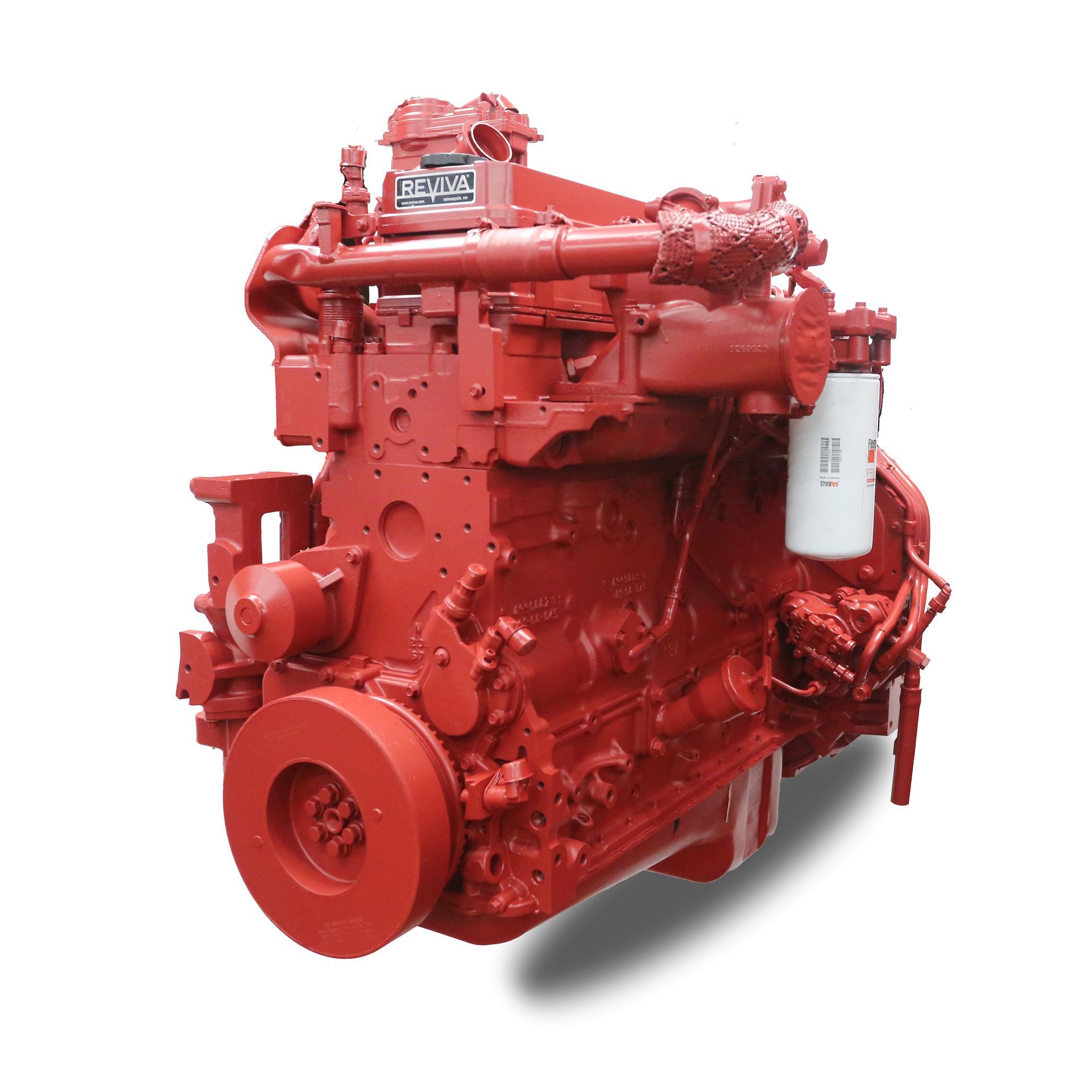
A quality remanufacturing process, like the one used at Reviva, starts with a complete teardown, cleaning, inspection, and testing of the engine and its components. After the engine is rebuilt, it undergoes final testing before it is shipped. At Reviva, drop-in engines are dyno tested, while long block engines undergo SIM testing to help verify that the finished engine meets the required specifications before it reaches the customer.
The goal is to return the engine to a reliable operating condition—not simply to make a worn engine run again.
This is one of the important differences between a properly remanufactured engine and a used engine. With a used engine, you are generally buying an engine with an unknown amount of previous wear. With a remanufactured engine, the engine has gone through a defined inspection and rebuilding process.
So, How Long Should a Remanufactured Engine Last?
There is no reliable “X miles” or “X hours” answer for every engine.
A diesel engine used in a heavily loaded vocational truck can experience very different conditions than the same basic engine used in an agricultural or industrial application. Operating hours, load, temperatures, duty cycle, maintenance, and operating conditions all affect engine life.
That means you should be cautious of anyone promising a specific lifespan without knowing the engine model and application.
Instead of asking only, “How many miles will it last?” ask:
- Is the engine correct for my application?
- Was it properly remanufactured and inspected?
- What components were replaced or remanufactured?
- Was the engine tested before it was shipped?
- What warranty is included?
- What do I need to do during installation and break-in?
- What maintenance does the engine require?
Those answers tell you much more about the potential life of your replacement engine than a single mileage estimate.
What Affects the Life of a Remanufactured Engine?
1.
The Application
How an engine is used matters.
An engine that regularly operates under heavy loads, in high temperatures, or in demanding work environments can experience
more stress than one operating under lighter conditions.
Construction equipment, agricultural machinery, vocational trucks, and highway trucks can all place different demands on an engine.
That's why the correct engine configuration for the application is so important.
2. Maintenance
Regular maintenance is one of the most important things an owner can do to protect an engine investment.
Follow the manufacturer's recommended service intervals for oil, filters, coolant, and other maintenance items. Pay particular
attention to the systems that protect the engine from contamination and excessive heat.
Oil and coolant problems, restricted air filters, fuel contamination, and cooling-system issues can all contribute to premature engine
problems.
A quality replacement engine still needs proper maintenance after it is installed.
3. Operating Conditions
Where and how equipment operates can have a significant effect on engine life.
Dusty environments can put additional demands on the air filtration system. Heavy loads increase engine workload. Excessive idling
can create different operating conditions than consistent work under load.
The important point is that engine life is affected by the conditions the engine works in every day.
4. Installation
The installation of a replacement engine is just as important as the engine itself.
Before installation, the shop should identify and address problems that may have contributed to the original engine failure. Related
components and systems should be inspected, and the replacement engine should be configured correctly for the application.
A new engine cannot fix an underlying problem elsewhere in the equipment.

How Can You Get the Most Life From a Remanufactured Engine?
Once the replacement engine is installed, protecting your investment comes down to following the proper service and operating procedures.
A few important practices include:
- Follow the recommended maintenance schedule.
- Use the correct oil, filters, coolant, and other service materials specified for the engine.
- Pay attention to the cooling system.
- Overheating can cause serious engine damage. Keep the cooling system properly maintained and address leaks or temperature problems promptly.
- Keep the air and fuel systems clean.
- Proper filtration helps protect critical engine components from dirt and contamination.
- Follow the manufacturer's break-in and operating recommendations.
- The first hours of operation are important. Follow the procedures provided for your specific engine.
- Don't ignore warning signs.
- Changes in oil pressure, coolant temperature, smoke, unusual noises, or engine performance should be investigated before a small problem becomes a major one.
What Should You Look for When Buying a Remanufactured Engine?
Before purchasing a replacement, don't compare engines on price alone.
Make sure the supplier can confirm that the engine is the correct configuration for your specific application. Depending on the engine, this may require information such as the engine serial number (ESN), vehicle identification number (VIN), or equipment information.
You should also understand:
- What is included with the engine
- What testing is performed
- What warranty is provided
- What the installation requirements are
- Whether there are core requirements or charges
- Who you contact if you have a problem
Getting the right engine the first time can help avoid installation delays, additional costs, and unnecessary downtime.
The Bottom Line
A remanufactured diesel engine isn't defined by a specific number of miles or hours. Its service life depends on the quality of the remanufacturing process, the engine's application, operating conditions, installation, and ongoing maintenance.
If you're replacing an engine, focus less on finding a promised mileage number and more on making sure you're getting the right engine, properly remanufactured, for the way your equipment is used.
Pilot Engines can help you identify the right replacement engine for your application and provide the information you need to make an informed purchase.