Is Your Equipment Worth Repairing?
When an engine fails, the repair bill can make you question whether it's time to replace the entire machine. But a failed engine doesn't automatically mean your truck, tractor, skid steer or other equipment has reached the end of its useful life. In many cases, replacing the engine can be a practical alternative to buying new equipment. The key is understanding the total cost of the repair and the value of what you're keeping.
Start With the Condition of Your Equipment
Before deciding whether to repair or replace a machine, look beyond the engine itself. A major engine failure is expensive, but it may be only one problem—or it may reveal that the rest of the equipment is also nearing the end of its useful life.
Consider the overall condition of your machine:
- Transmission and drivetrain: Are they operating properly, or are major repairs likely soon?
- Hydraulics and electrical systems: Are there existing problems that could add to your repair costs?
- Frame and structural components: Is the equipment still in sound condition for its intended work?
- Hours and maintenance history: Has the machine been maintained consistently, and are other major components showing signs of wear?
- Suitability for the job: Does the equipment still have the capacity and features you need?
If the rest of the machine is dependable and still meets your needs, replacing the engine may extend its useful life without the expense of purchasing another vehicle or piece of equipment.
If multiple major systems need attention, however, investing in an engine alone may not solve the larger problem.
Compare the Total Cost, Not Just the Engine Price
One of the biggest mistakes equipment owners can make is comparing the cost of an engine replacement with the price of a new machine without accounting for the full repair.
Your engine replacement estimate may include:
- The replacement engine itself
- Installation labor
- Additional parts, fluids and filters
- Components that need to be transferred from the original engine
- Freight, core requirements and other applicable charges
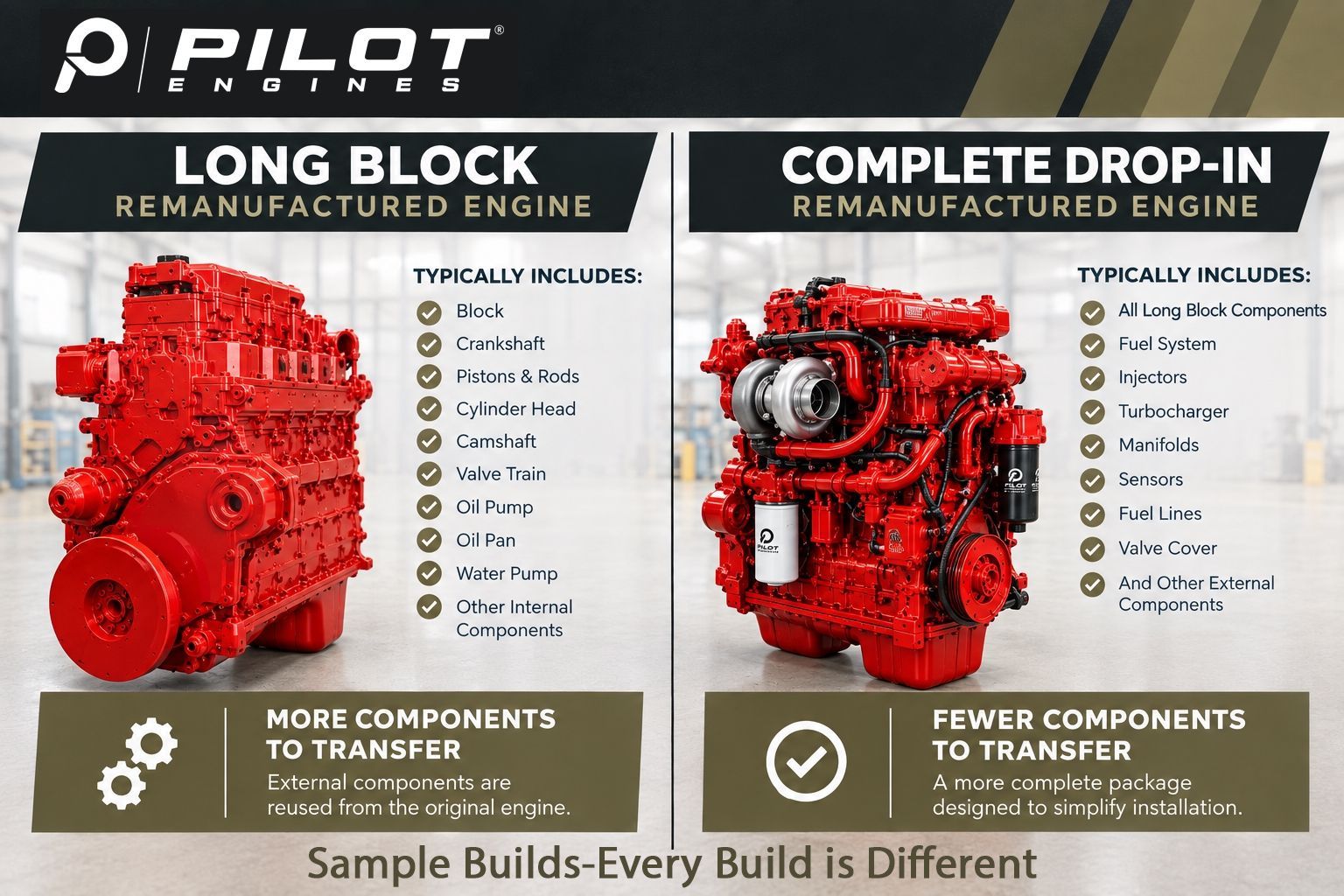
The configuration you choose can also affect the total. A long block generally requires more components to be transferred from the original engine, while a complete drop-in includes more of the components needed for installation. The exact contents vary by engine, so confirm what is included before comparing quotes.
A lower initial engine price doesn't always mean a lower final repair bill. Ask your repair facility for a complete estimate, including expected labor and any additional work identified during inspection.
You can learn more about these differences in Long Block vs. Complete Drop-In Engine: What's the Difference?.
Consider the Cost of Replacing the Entire Machine
If repairing your existing equipment is one option, what would it actually cost to replace it?
Look at comparable replacement equipment rather than relying on the original purchase price or the price of a brand-new model. Depending on your needs, a suitable replacement could be new or used equipment.
Factor in the purchase price, financing, taxes, transportation, setup and any changes required to put another machine into service. Consider whether the replacement offers capabilities you genuinely need or whether your current equipment already does the job well.
Also think about how long you expect to keep using the machine. If you plan to operate it for several more years, an engine replacement may be easier to justify than if you expect to retire it soon.
The goal isn't simply to choose the lowest-cost option today. It's to determine which option provides the best value for the work you need to accomplish.
Don't Overlook Downtime and Reliability
Cost matters, but so does the time your equipment spends out of service.
For a contractor, trucking operation, farm or equipment-dependent business, a machine that isn't working can affect schedules, productivity and revenue. Even for personal equipment, a lengthy repair can disrupt plans or create additional expenses.
Ask your repair facility about the expected timeline for each option. An engine repair may involve diagnosing the failure, disassembling the engine, identifying additional damage and sourcing parts. An engine replacement has its own timeline, including engine availability, removal and installation.
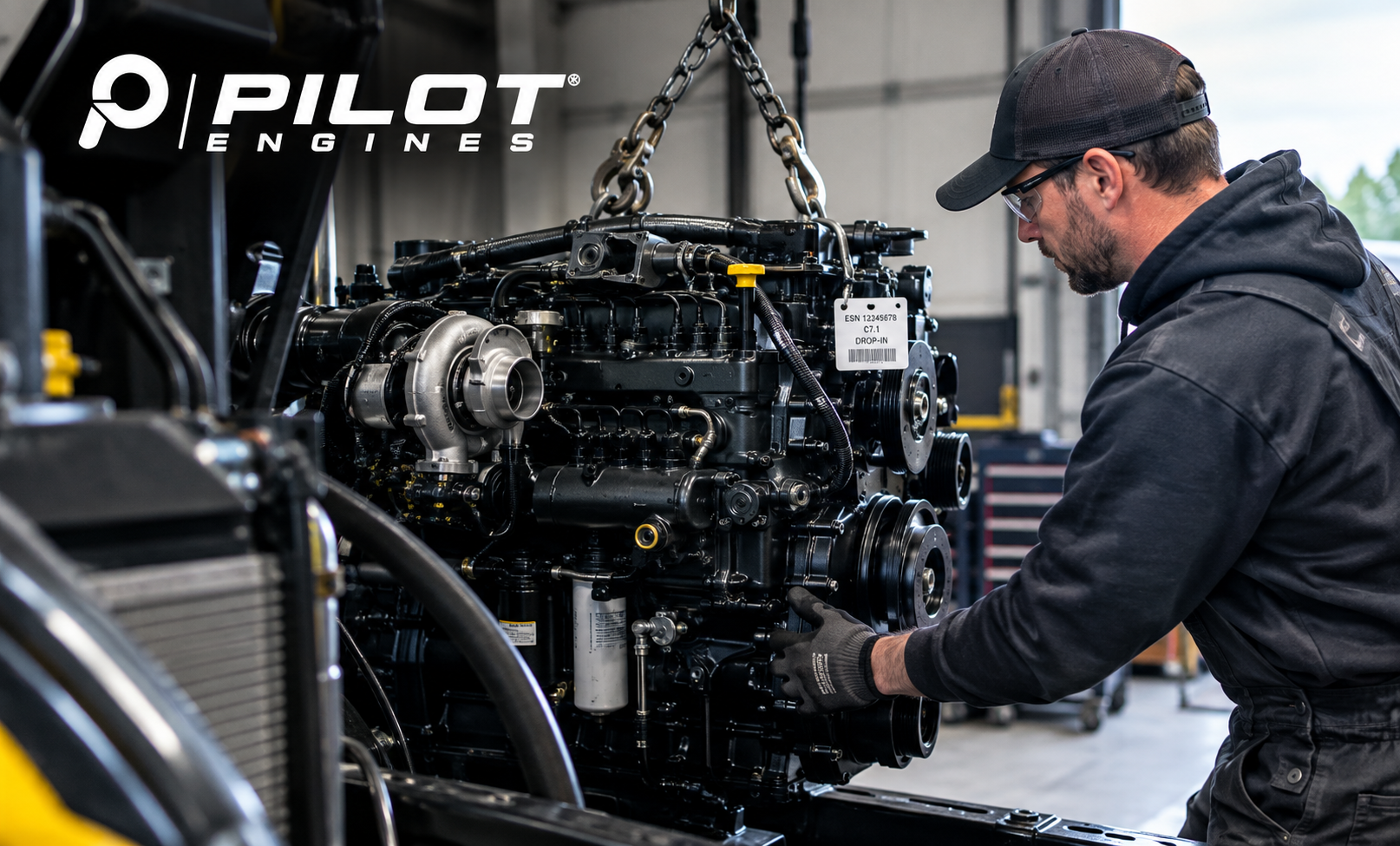
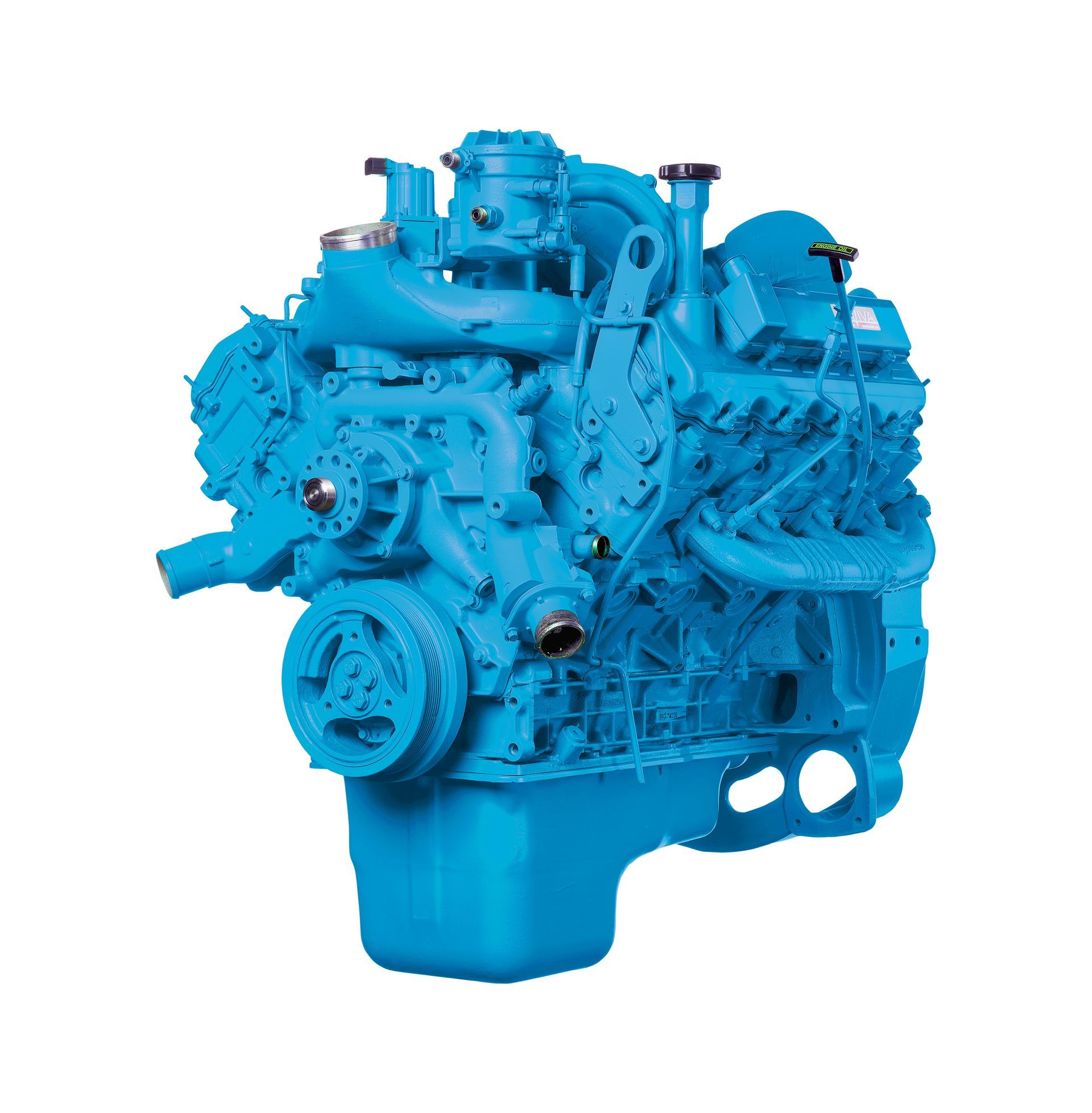
A remanufactured engine may be worth considering when you want to replace the failed engine rather than rebuild it in place. The right choice depends on the original engine's condition, the replacement configuration, availability and the work required to install it.
Reliability also deserves attention. Ask what work has been performed on the replacement engine, what testing applies to that specific product and what warranty coverage is available. Review the warranty terms before making a decision rather than assuming all engines have identical coverage.
When Is a Remanufactured Engine Worth Considering?
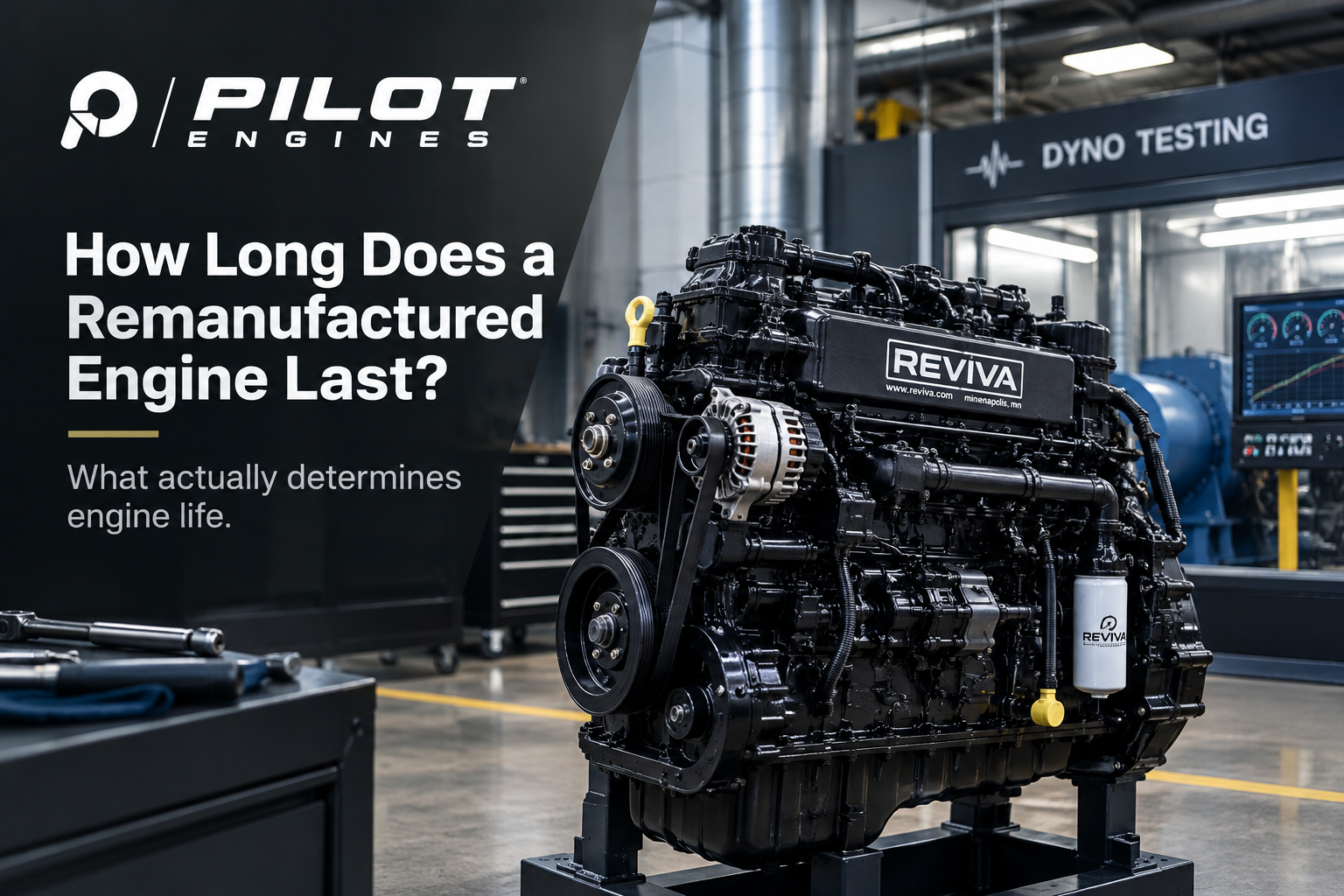
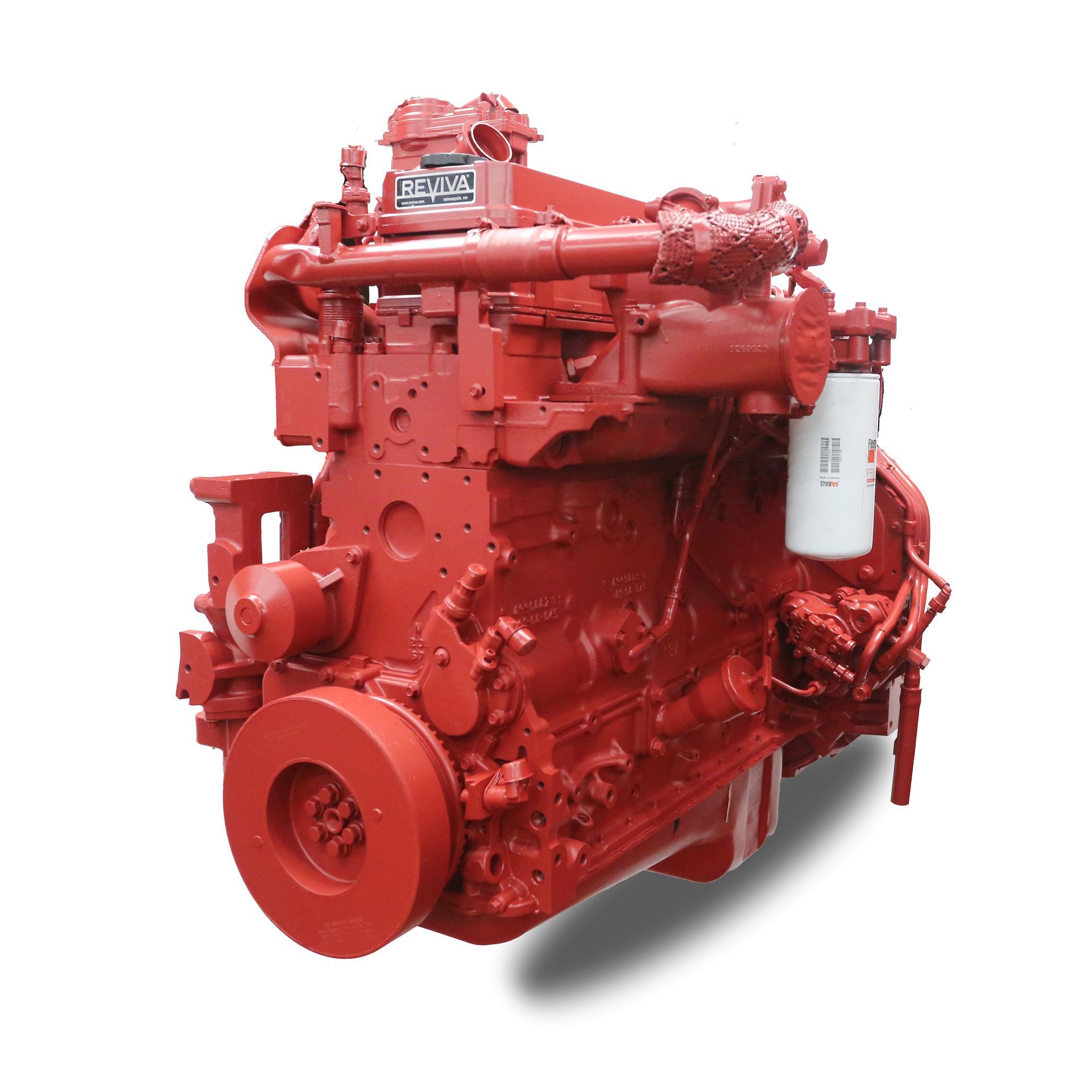
A remanufactured engine can offer a middle ground between rebuilding an existing engine and purchasing a brand-new replacement.
Remanufacturing involves disassembling an engine, inspecting its components, performing necessary machining and restoring it to applicable specifications. The goal is to provide a dependable replacement without the cost of an entirely new engine.
This option may make sense when:
- Your equipment is otherwise in good working condition.
- The engine has extensive damage or the original repair has become too costly.
- You want to continue using equipment that already meets your needs.
- The cost of replacing the engine compares favorably with replacing the machine.
- You can find a suitable engine with appropriate warranty coverage and availability.
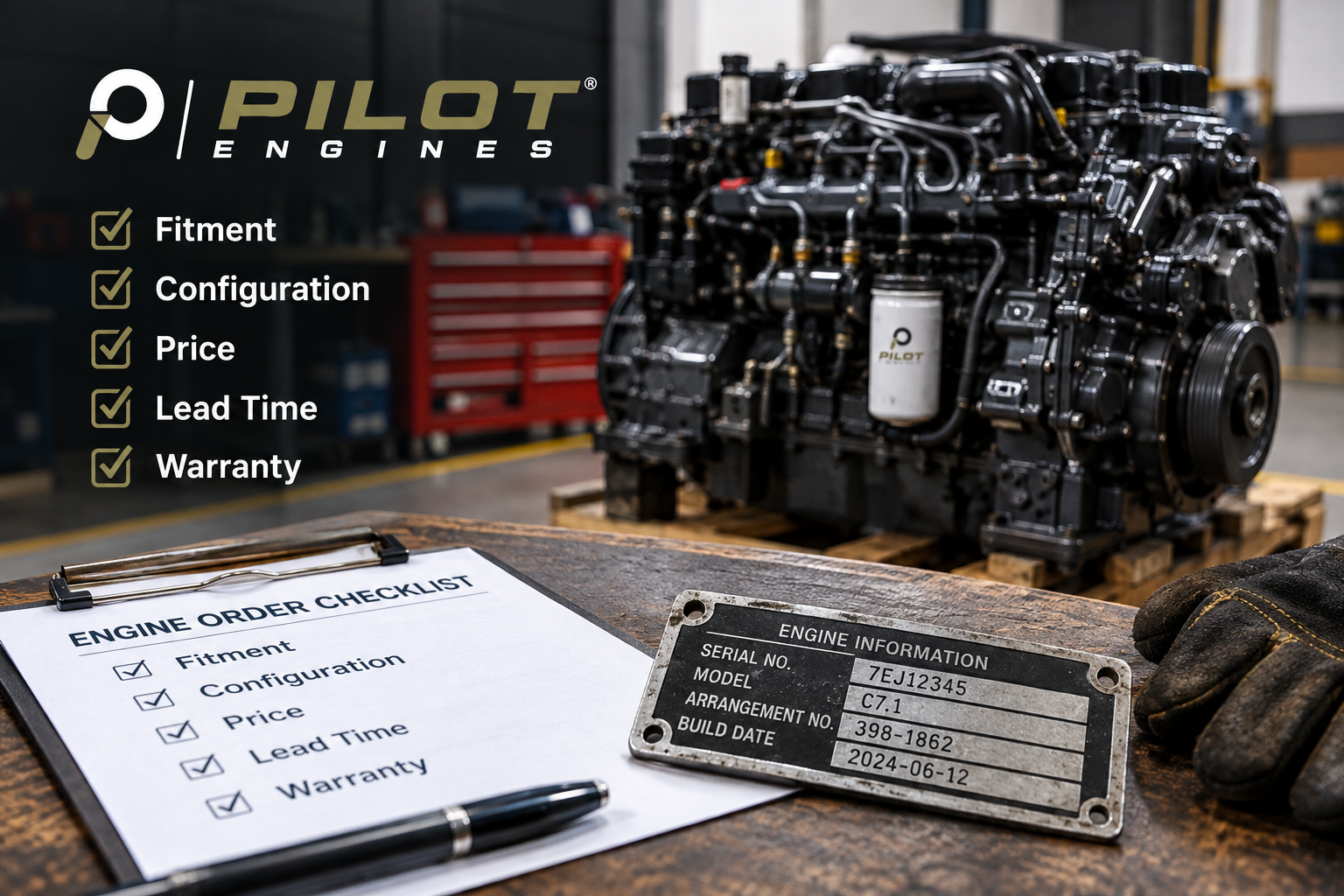
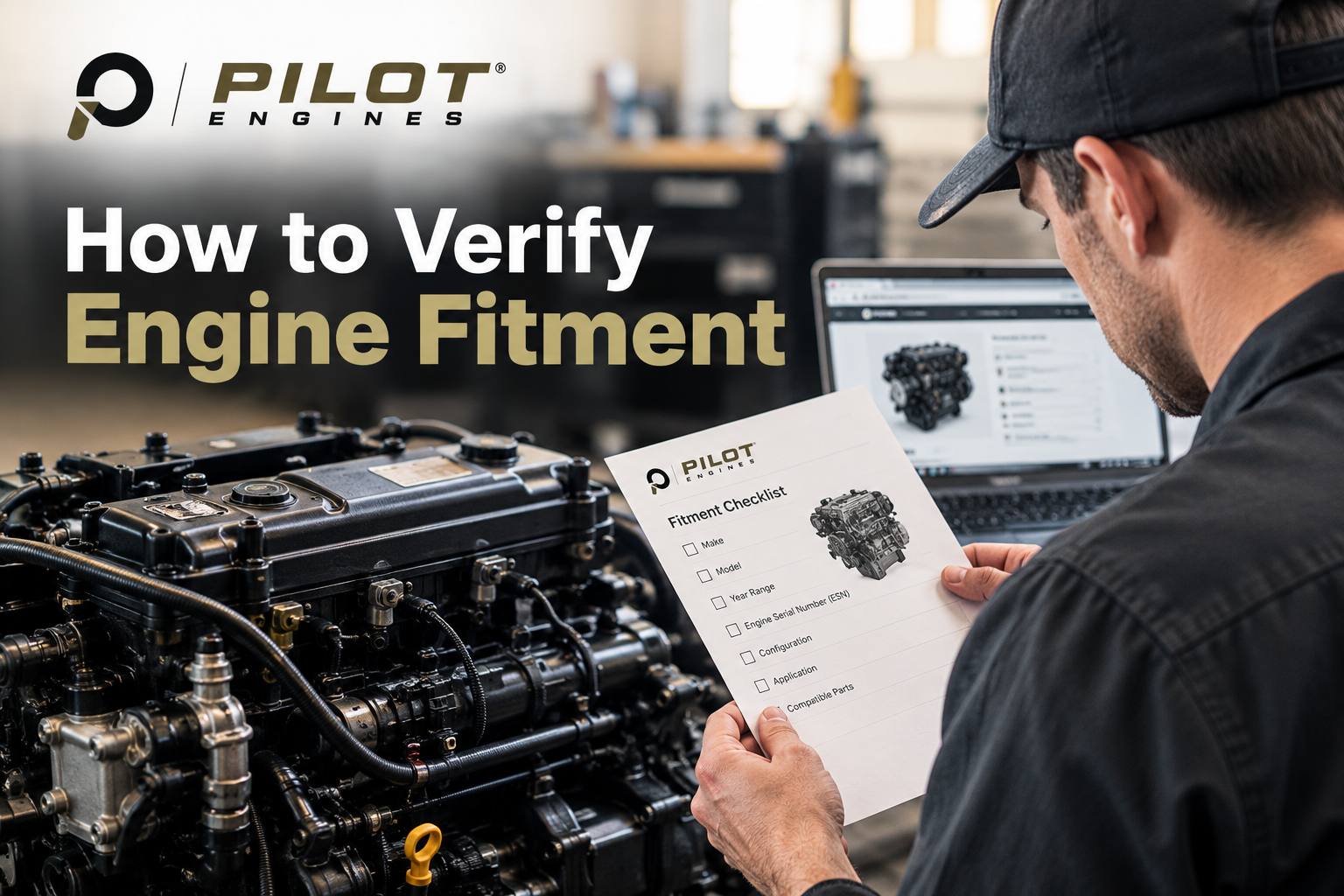
Fitment is essential. Engines that share a model designation may have different configurations depending on the application. Before requesting a quote, gather the engine serial number (ESN), equipment make and model, and vehicle identification number (VIN) when applicable. This information helps the supplier identify the correct replacement.
Pilot Engines supplies remanufactured diesel and gas engines for trucks, heavy equipment, commercial vehicles and industrial applications. The team can help identify a replacement based on your engine and application information.
For another perspective on your options, read Inframe vs. Reman: How to Choose the Right Engine Repair Option.
Make the Decision With the Full Picture
There's no universal dollar amount that determines whether equipment is worth repairing. The right answer depends on the machine's condition, the complete repair estimate, replacement costs, expected future use and the consequences of downtime.
If the rest of your equipment is in good shape, don't assume an engine failure means you need to start over. Get a detailed repair estimate, compare the cost of replacing the engine with the cost of replacing the machine, and understand the warranty and installation requirements before committing.
Need help evaluating an engine replacement? Visit Pilot Engines to explore remanufactured engine options or contact the team with your engine serial number and application details to request a quote.
Frequently Asked Questions
Is it cheaper to replace an engine or buy new equipment?
It depends on the equipment's condition, the cost of the engine and installation, and the price of a suitable replacement machine. Compare the complete repair estimate with the full cost of replacing the equipment.
How do I know if my equipment is worth repairing?
Evaluate the condition of the engine and the rest of the machine, review its maintenance history, estimate upcoming repairs, and consider how long you expect to keep using it. A qualified repair facility can help assess its condition.
Is a remanufactured engine a good option for older equipment?
It can be, especially when the equipment is otherwise dependable and still meets your needs. Confirm engine compatibility, installation costs, availability and the warranty for the specific replacement before deciding.
Ready to Find the Right Remanufactured Engine?
Pilot Engines makes it easy to find the right remanufactured engine for your application. From long blocks to complete drop-in engines, our team can help match you with the right engine for your vehicle or equipment.