
7011163434 • October 2, 2026

Long Block vs. Complete Drop-In Engine: What’s the Difference?

Date

October 2, 2026

Share

Long Block vs. Complete Drop-In Engine: What’s the Difference?

When a repair shop is quoting a replacement engine, choosing between a long block and a complete drop-in can affect the parts that need to be transferred, installation labor, and the overall repair estimate. The two configurations are both remanufactured engines, but they are supplied differently. Understanding what each includes can help you quote the job accurately and avoid surprises during installation.


What Is a Long Block Engine?


A long block is a remanufactured engine built around the major internal and structural components. Depending on the specific engine, a long block can include the block, crankshaft, pistons, rods, cylinder head, camshaft, valve train, oil pump, oil pan, water pump, and other internal components.


The exact contents vary by engine, so the product information for the specific application should always be reviewed before quoting or ordering.


The key difference is that some external components from the original engine are reused and transferred to the replacement. Pilot Engines describes long blocks as a good option when existing external components can be reused.

That can make a long block a practical choice when the shop has good, usable components from the original engine and wants to control the cost of the replacement.


What Is a Complete Drop-In Engine?


A complete drop-in is a more complete replacement-engine package designed to reduce the number of components that need to be transferred from the original engine.


Depending on the application, a drop-in can include components such as the fuel system, injectors, turbocharger, manifolds, sensors, fuel lines, valve cover, and other external components in addition to the long-block components.

For example, Pilot's Cummins QSB 6.7L HP drop-in configuration includes everything in the long block plus components such as the high-pressure fuel pump, injectors, turbocharger, sensors, fuel system components, intake connections, and valve cover. The exact configuration varies by engine.


The goal is straightforward: fewer components to transfer and a more complete package for installation.


Long Block vs. Drop-In at a Glance


Components Long Block Complete Drop-In
Major engine compnents Included Included
External components More may need to be transfered More are included
Component transfer More Less
Installation preparation More involved Generally simpler
Best fit When existing components reusable When minimizing component transfer is important and want less downtime
Exact contents Vary by engine Vary by engine

This is why the engine configuration should be part of the quote—not an assumption based only on the engine model.

What Which Configuration Should a Repair Shop Quote?


There isn't one configuration that makes sense for every repair.


A long block may make sense when the original engine's external components are in good condition and can be reused. It can also allow a shop to retain components that are already properly configured for the equipment.


A complete drop-in may make more sense when minimizing component transfer and installation work is a priority. It can also reduce the number of original components that need to be evaluated before installation.


The condition of the failed engine matters, too. If an external component contributed to the original failure, simply transferring it to a replacement engine may create another problem. Before installation, the shop should inspect systems and components that could have contributed to the original failure, including the cooling, fuel, air intake, exhaust, electrical, and related systems.


Don't Compare Prices Without Comparing Configurations


A lower-priced long block isn't necessarily a lower-cost repair.


If the long block requires the shop to transfer several components, the estimate needs to account for the additional labor and any components that need to be replaced. Conversely, a higher-priced drop-in may reduce installation work because more components are already included.


For a repair shop, the useful comparison is total installed cost, not simply the engine purchase price.

Before presenting a quote to the customer, compare:


  • Engine configuration
  • Components included
  • Components that must be transferred
  • Additional parts required
  • Installation labor
  • Freight and core requirements
  • Warranty coverage and registration requirements


Pilot Engines specifically recommends confirming the configuration and included components before finalizing a quote because a long block and complete drop-in can require different levels of preparation and installation work.


Verify the Exact Engine Before Ordering


The engine model alone may not tell you everything you need to know.


Pilot Engines builds engines to the customer's specific engine serial number and application, and its product pages identify the configurations available for individual engines. Some engines are available as long blocks and drop-ins, while others may have additional configurations.


Before ordering, provide the supplier with the information needed to confirm the application and configuration. Then verify exactly what is included with the engine you are quoting.


This is especially important when the customer needs the equipment back in service quickly. Finding out after the engine arrives that several components must be transferred can change both the labor estimate and the installation timeline.


Don't Forget the Warranty


Configuration can also affect warranty coverage.


Pilot Engines' current published warranty information lists different coverage based on application and configuration. For example, on-highway diesel complete drop-in engines are listed with two years/unlimited miles, with the second year covering the long-block portion, while on-highway long blocks are listed with one year/unlimited mileage. Off-highway diesel complete drop-ins are listed with one year/2,000 hours. Warranty registration is required.


Always verify the warranty that applies to the specific engine you are quoting rather than assuming the same coverage applies to every configuration.

The Bottom Line for Repair Shops


A long block and a complete drop-in are not simply two different prices for the same engine.


A long block generally means more component transfer, while a complete drop-in is a more complete package designed to reduce the amount of existing equipment that needs to be reused. The right choice depends on the application, the condition of the existing components, installation requirements, and the customer's priorities.


Before you quote the job, confirm the exact engine configuration, what is included, what must be transferred, and the applicable warranty. That gives you a more accurate estimate and helps your customer understand exactly what they are paying for.

Frequently Asked Questions


Is a drop-in engine better than a long block?


Neither configuration is automatically better for every repair. A long block can make sense when the existing external components are reusable. A drop-in can reduce the amount of component transfer required. The right choice depends on the engine, application, condition of the existing components, and installation requirements.


Does a long block require more installation work?


Generally, yes. A long block typically requires more components from the original engine to be transferred to the replacement. The exact amount varies by engine. Always review the specific product configuration before estimating labor.


How do I know which configuration to order?


Start with the engine serial number and application, then confirm the available configurations and included components with the supplier. Pilot Engines can help determine the appropriate configuration for the specific engine and application.


Need help choosing the right configuration? Have the engine serial number or VIN available and contact Pilot Engines at 877-599-4806 for assistance with your application and replacement-engine options.


Equipment owner inspecting a remanufactured diesel engine before installation
By 7011163434 • September 29, 2026
Learn what to check before installing a reman engine, from fitment and component transfer to equipment inspection and warranty requirements
Yellow diesel engine in a repair shop comparing inframe rebuild and remanufactured engine options
By 7011163434 • September 23, 2026
Compare an inframe rebuild vs. a remanufactured engine and learn how damage, downtime, budget, fitment, and warranty can guide the right choice.
Remanufactured Engine
September 18, 2026
How long does a remanufactured diesel engine last? Discover the key factors affecting engine lifespan and how to get the most from your replacement.
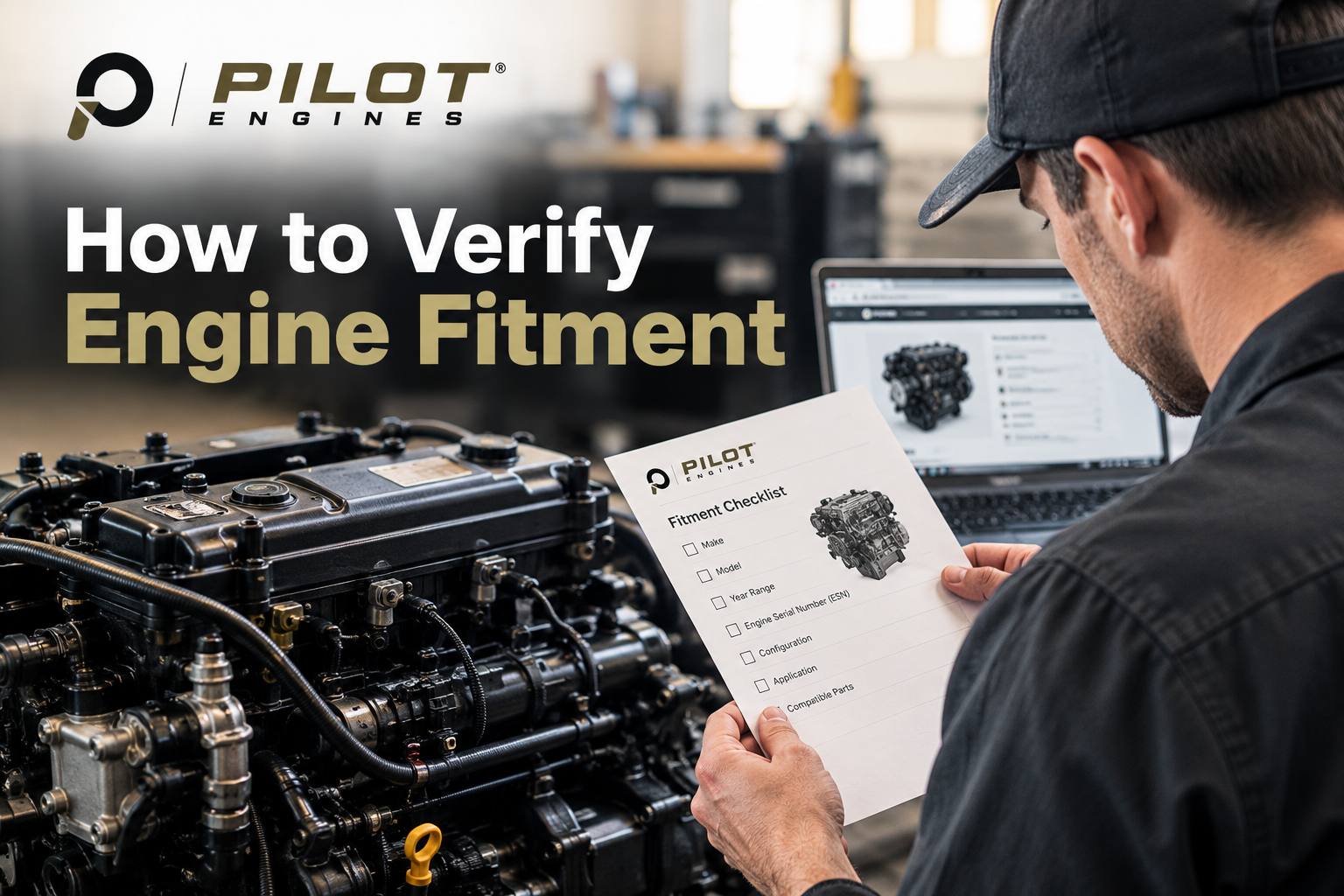
Technician looking at a checklist to confirm fitment.
By Bryan Schuldt • September 16, 2026
Learn what repair shops should verify before ordering a replacement engine, including the engine serial number, application, configuration, and fitment.
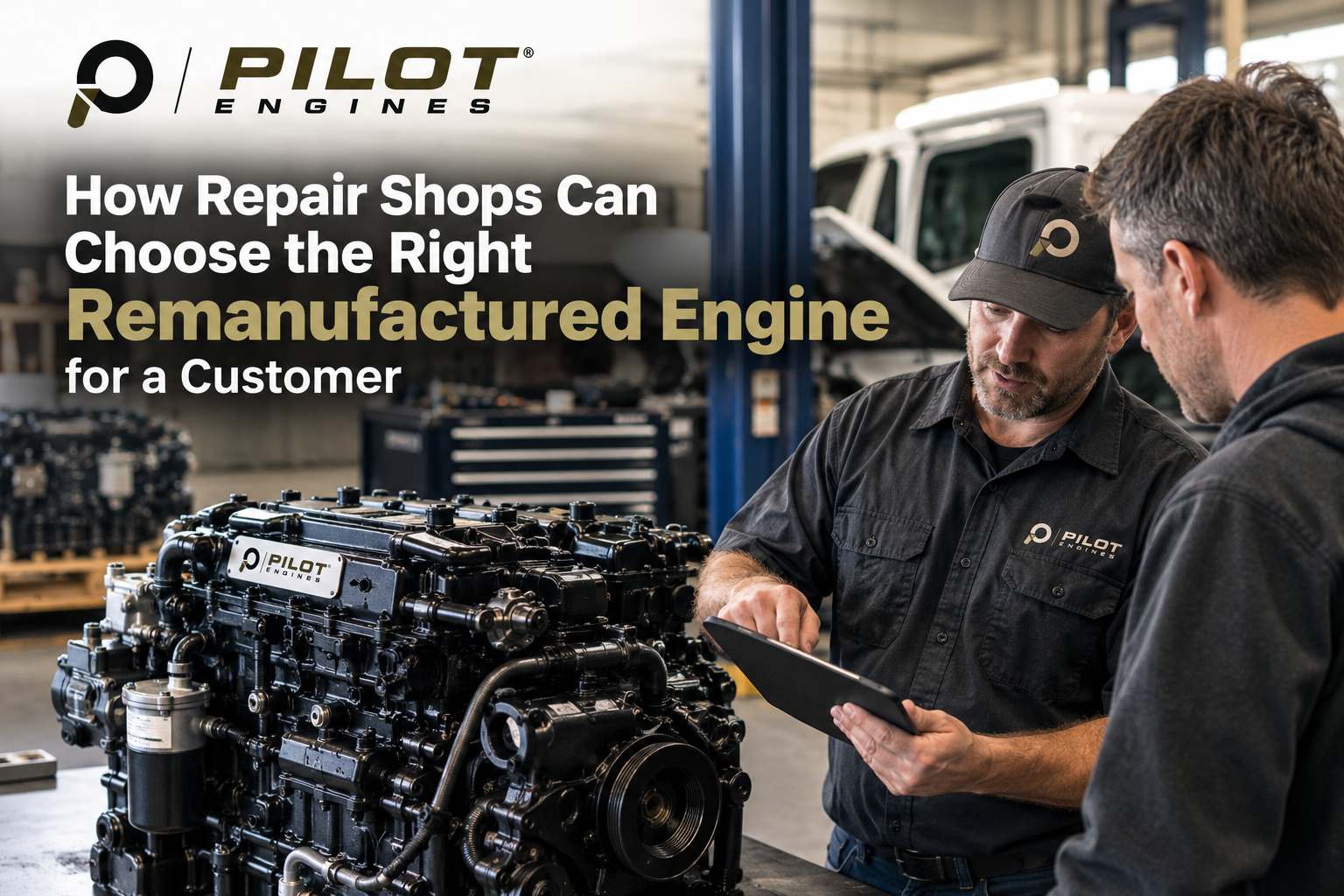
Technician talking to customer about choosing remanufactured engine
By Bryan Schuldt • September 10, 2026
Learn how repair shops can choose the right remanufactured engine by comparing fit, price, availability, warranty, freight, and supplier support.
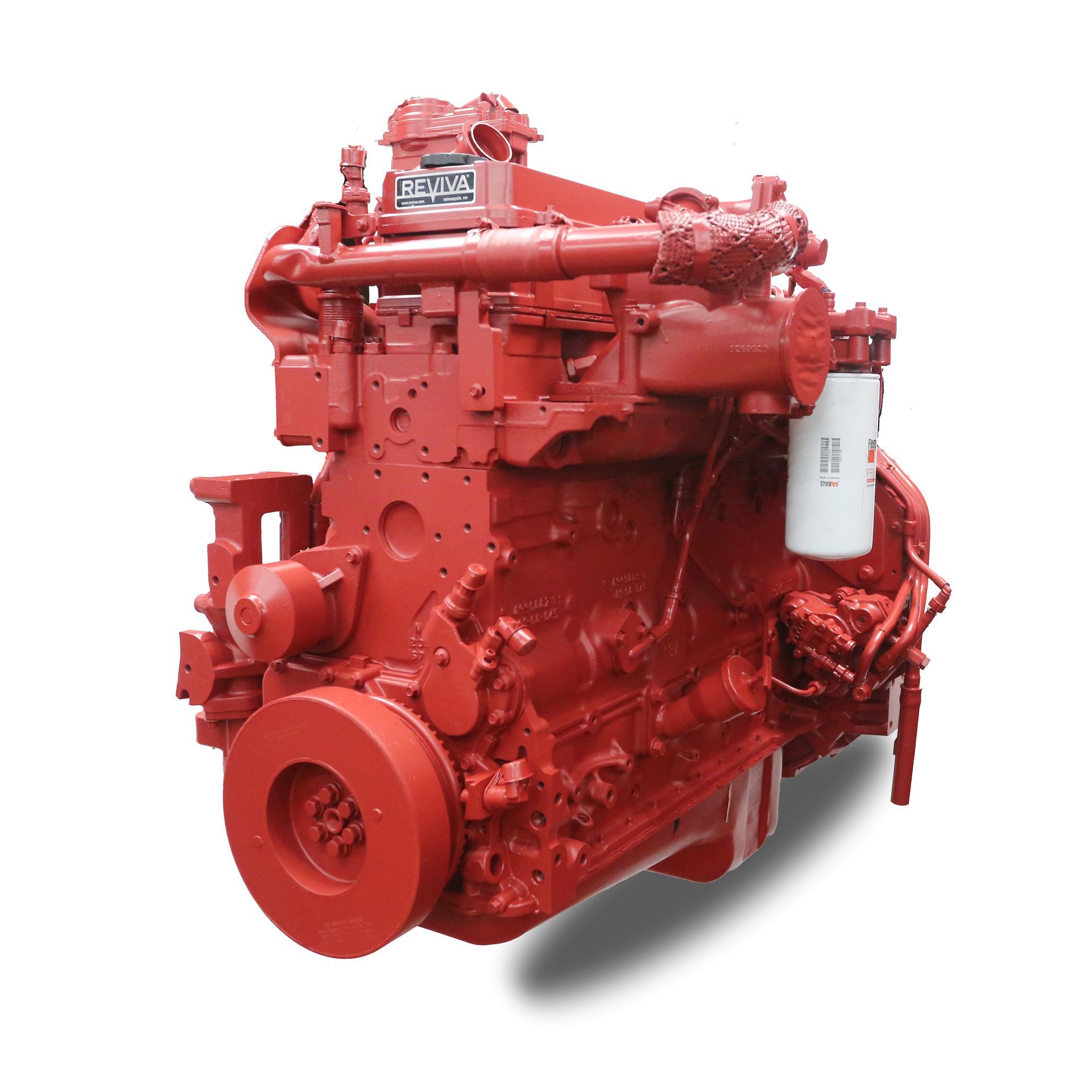
Remanufactured Cummins 6.7 engine from Pilot Engines shown on a white background
By Bryan Schuldt • August 26, 2026
Learn the benefits or a remanufactured engine. Potential cost savings and other FAQ's about engines from the experts at Pilot Engines.
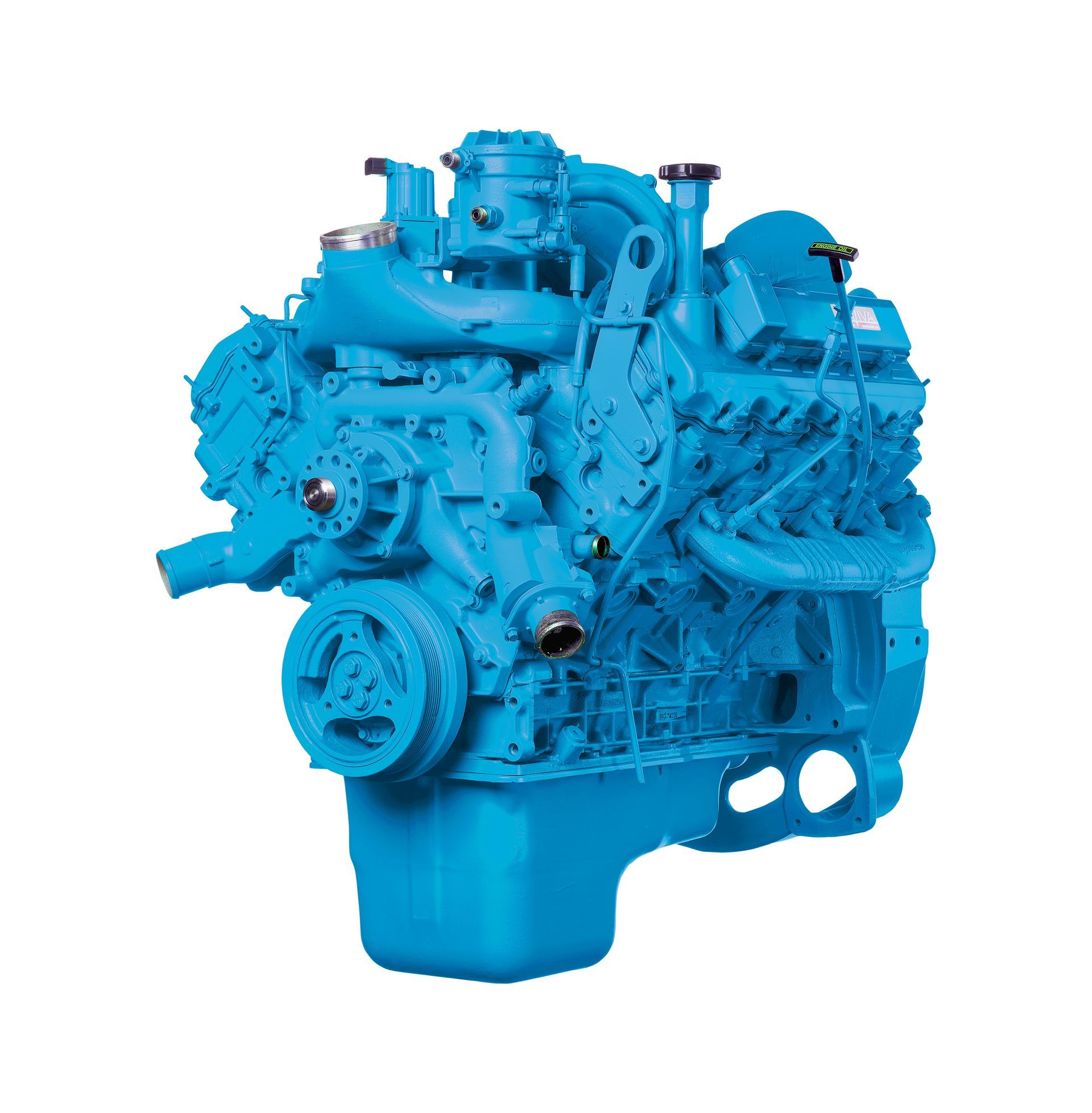
Remanufactured diesel engine from Pilot Engines shown on a white background
By Bryan Schuldt • August 26, 2026
Compare new, remanufactured, and rebuilt engines by cost, reliability, warranty, availability, and lifespan to find the right option for your needs.
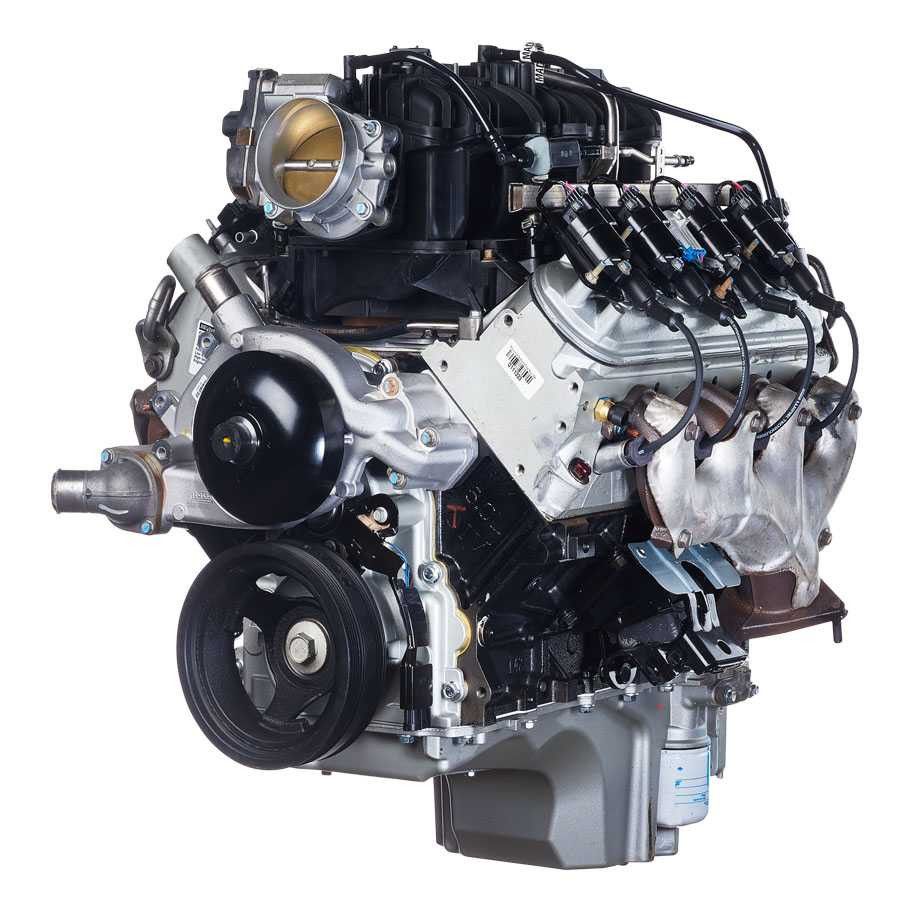
Remanufactured V8 engine from Pilot Engines shown on a white background
By Bryan Schuldt • August 26, 2026
Learn what a remanufactured engine is, how the process works, and how reman engines compare to rebuilt and new engines from the experts at Pilot Engines.
By Bryan Schuldt • August 21, 2026
Pilot Engines Launches New Website for Remanufactured Engine Customers