
7011163434 • October 7, 2026

Engine Order Checklist for Repair Shops

Date

October 7, 2026

Share

What Information Should You Gather First?

Before requesting a quote, gather as much information as possible from the customer's equipment. The engine serial number is one of the most important pieces of information because the same engine family can have different configurations depending on the application.

Pilot Engines builds replacement engines to the customer's specific engine serial number and uses application information to help identify the correct replacement.

Depending on the engine, useful information may include:

  • Engine serial number
  • Engine model
  • Equipment or vehicle make and model
  • Vehicle identification number (VIN), when applicable
  • Machine serial number, when applicable
  • Arrangement or configuration number
  • Application and operating environment
  • Existing engine configuration

The exact information required can vary by engine. For example, some Pilot Engines product information asks customers to provide the serial number, arrangement number, equipment make and model, and sump location when requesting price and availability.

If you're unsure what information applies to a particular engine, contact Pilot Engines before ordering rather than guessing.


Is It the Exact Application?


A model number alone may not be enough to confirm an engine replacement.

Two engines from the same family can have different configurations, accessories, horsepower ratings, or applications. That's why fitment should be confirmed before the purchase order is placed.


For a repair shop, this is especially important because the cost of getting the wrong engine goes beyond the engine itself. It can mean additional freight, lost shop time, a delayed customer repair, and another round of coordination.


Pilot Engines' fitment guidance recommends verifying the engine serial number, application, and configuration before ordering.


When requesting a quote, give the supplier the actual identification information from the customer's equipment whenever possible.


Don't rely on:


"That's a Cummins 6.7."


Provide:


The specific engine identification and application information needed to determine which configuration fits.

That extra step can prevent an expensive mistake.


What Configuration Does the Customer Need?


Once the application is identified, determine what type of replacement makes sense for the repair.

For example, a Long Block may make sense when the shop can reuse appropriate external components from the existing engine. A Drop-In is a more complete package designed to reduce the number of components that need to be transferred during installation. The available configurations vary by engine.


The right choice depends on the customer's engine, equipment, repair plan, budget, and what components are being reused.


Before quoting, confirm:


  • Which configuration is being considered
  • What components are included
  • What components must be transferred
  • Whether the configuration is appropriate for the application
  • Whether additional parts or work should be included in the repair estimate


This is also where a supplier's application support can be valuable. If the shop isn't certain which configuration is appropriate, ask before the order is placed.


What Will the Job Really Cost?


The engine price is only one part of the repair.

Before committing to the customer, confirm the costs that will affect the shop's total job estimate. Depending on the application, that may include:


  • Engine price
  • Freight
  • Core deposit or core requirements
  • Installation labor
  • Components that must be transferred
  • Additional parts or supplies


Any application-specific requirements

Pilot Engines uses refundable core deposits on applicable engines and provides core-return information with its products.


It's worth understanding the core requirements before giving the customer a final price. A shop should know what happens to the old engine, how the core is handled, and what requirements apply to the specific replacement being quoted.

What Are the Lead Time and Warranty?


Before promising a completion date to the customer, confirm the current availability and lead time for the specific engine.


Don't assume that because an engine family is listed on the website, a particular configuration is immediately available. Availability and timing can vary by engine and configuration.


Warranty is equally important. The coverage can differ depending on the engine and configuration. For example, Pilot's current product information shows different warranty coverage for long block, on-road, and off-road configurations.


Before ordering, make sure you know:


  1. What warranty applies to the specific engine?
  2. What does the warranty cover?
  3. Are there registration requirements?
  4. What should the shop do if a warranty issue occurs?


Knowing these details before installation helps the shop explain the repair to the customer and avoid surprises later.

A Simple Pre-Order Checklist


Before you place the order, make sure you can answer these questions:


  • Do I have the correct engine serial number?
  • Do I know the exact equipment or vehicle application?
  • Has the configuration been confirmed?
  • Do I know whether the customer needs a Long Block or Drop-In?
  • Do I understand what is included?
  • Have I confirmed current price and availability?
  • Do I understand freight and core requirements?
  • Do I know the warranty for this specific configuration?

If any answer is "I'm not sure," it's worth resolving it before the order is placed.

Frequently Asked Questions

  • Do I need the engine serial number to order a remanufactured engine?

    The engine serial number is an important starting point for identifying the correct replacement. Pilot Engines uses the customer's specific engine serial number along with application information to help determine the appropriate engine. The exact information required can vary by engine and application.


  • Is the engine model enough to identify the replacement?

    Not always. Engines within the same family can have different configurations and applications. Providing the engine serial number and equipment information gives the supplier more information to determine the correct replacement instead of relying on a general model number.

  • What should a repair shop do if it isn't sure which engine to order?

    Don't guess. Provide the engine serial number and application information to the supplier and ask for help confirming the correct replacement. Pilot Engines specifically provides application and engine-identification support for repair shops and resellers.

  • Get the Details Right Before You Order

    A successful engine replacement starts before the old engine comes out of the equipment. Gather the identification information, confirm the application and configuration, understand what's included, and verify price, availability, core requirements, and warranty before committing to the customer.


    If you have an engine replacement you're quoting, contact Pilot Engines with the engine serial number and application information so the team can help identify the right replacement and provide the information you need to move the repair forward.

Ready to Find the Right Remanufactured Engine?

Pilot Engines makes it easy to find the right Reviva remanufactured engine for your application. From long blocks to complete drop-in engines, our team can help match you with the right engine for your vehicle or equipment.

remanufactured cummins engine
October 7, 2026
A remanufactured Cummins engine delivers factory power, long-term durability, and major savings. Contact Plumb Pro Services to upgrade your equipment!
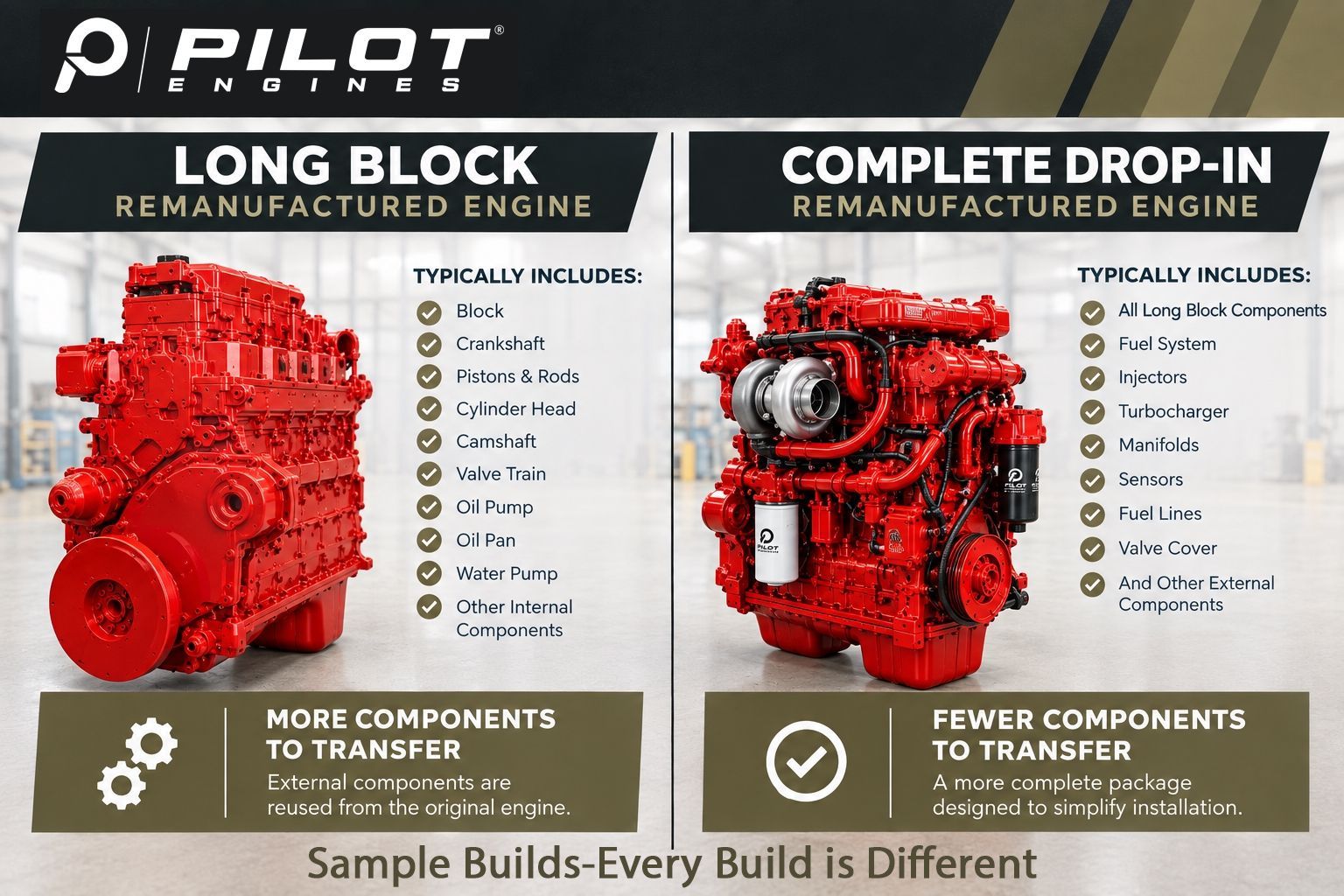
Long block and complete drop-in remanufactured engines compared for repair shops.
By 7011163434 • October 2, 2026
Learn the difference between long block and complete drop-in engines, including component transfer, installation, cost, and warranty considerations.
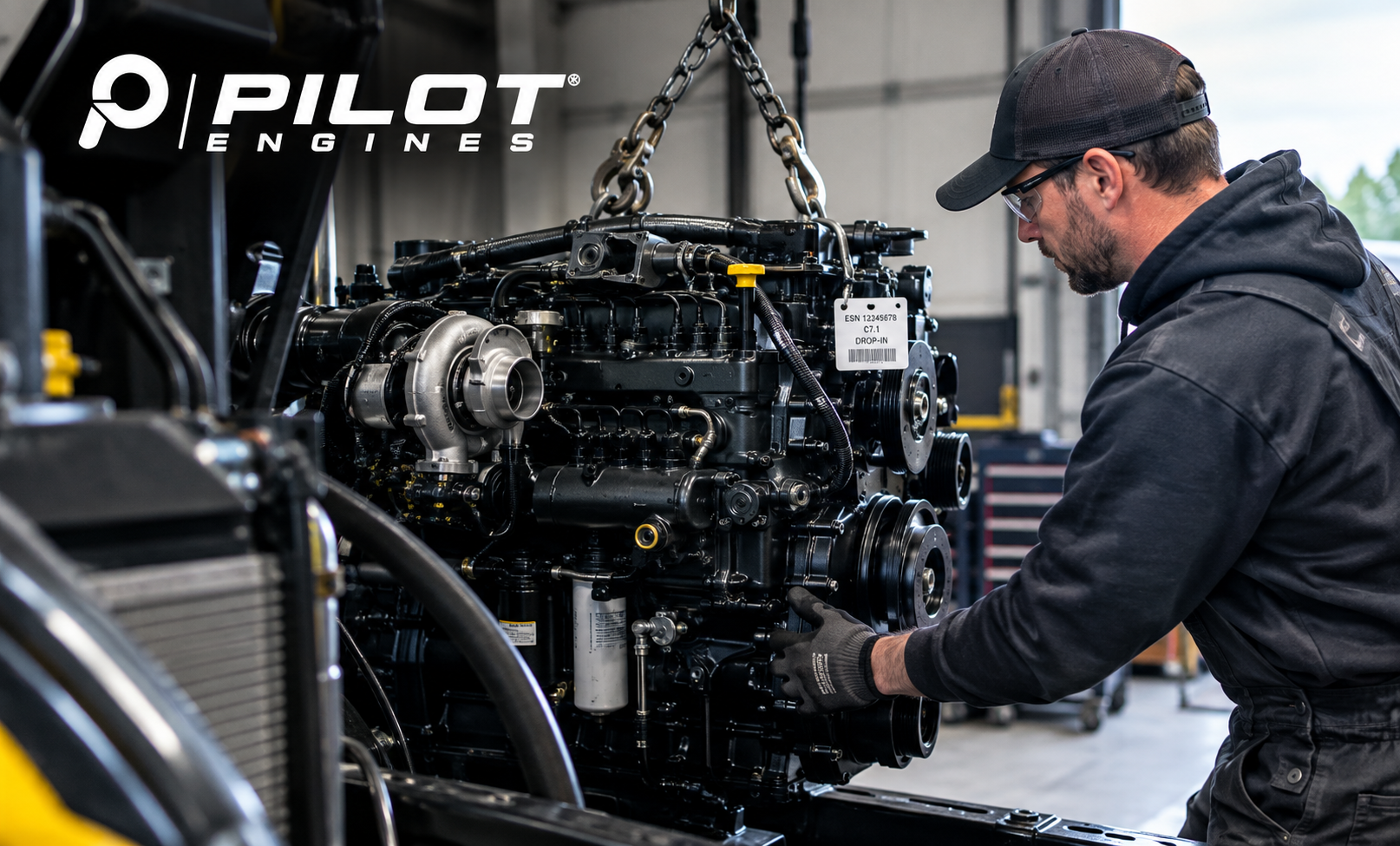
Equipment owner inspecting a remanufactured diesel engine before installation
By 7011163434 • September 29, 2026
Learn what to check before installing a reman engine, from fitment and component transfer to equipment inspection and warranty requirements
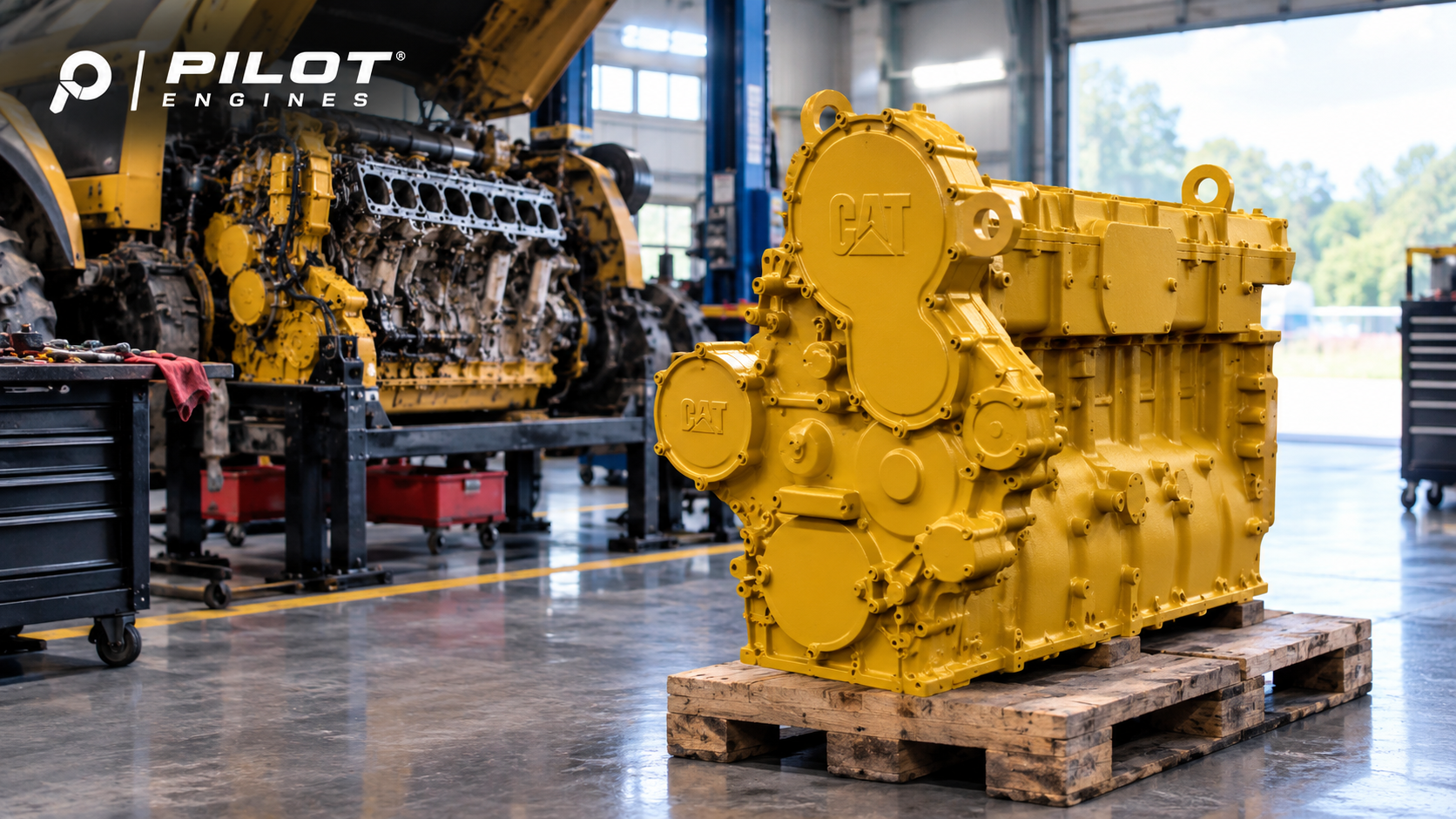
Yellow diesel engine in a repair shop comparing inframe rebuild and remanufactured engine options
By 7011163434 • September 23, 2026
Compare an inframe rebuild vs. a remanufactured engine and learn how damage, downtime, budget, fitment, and warranty can guide the right choice.
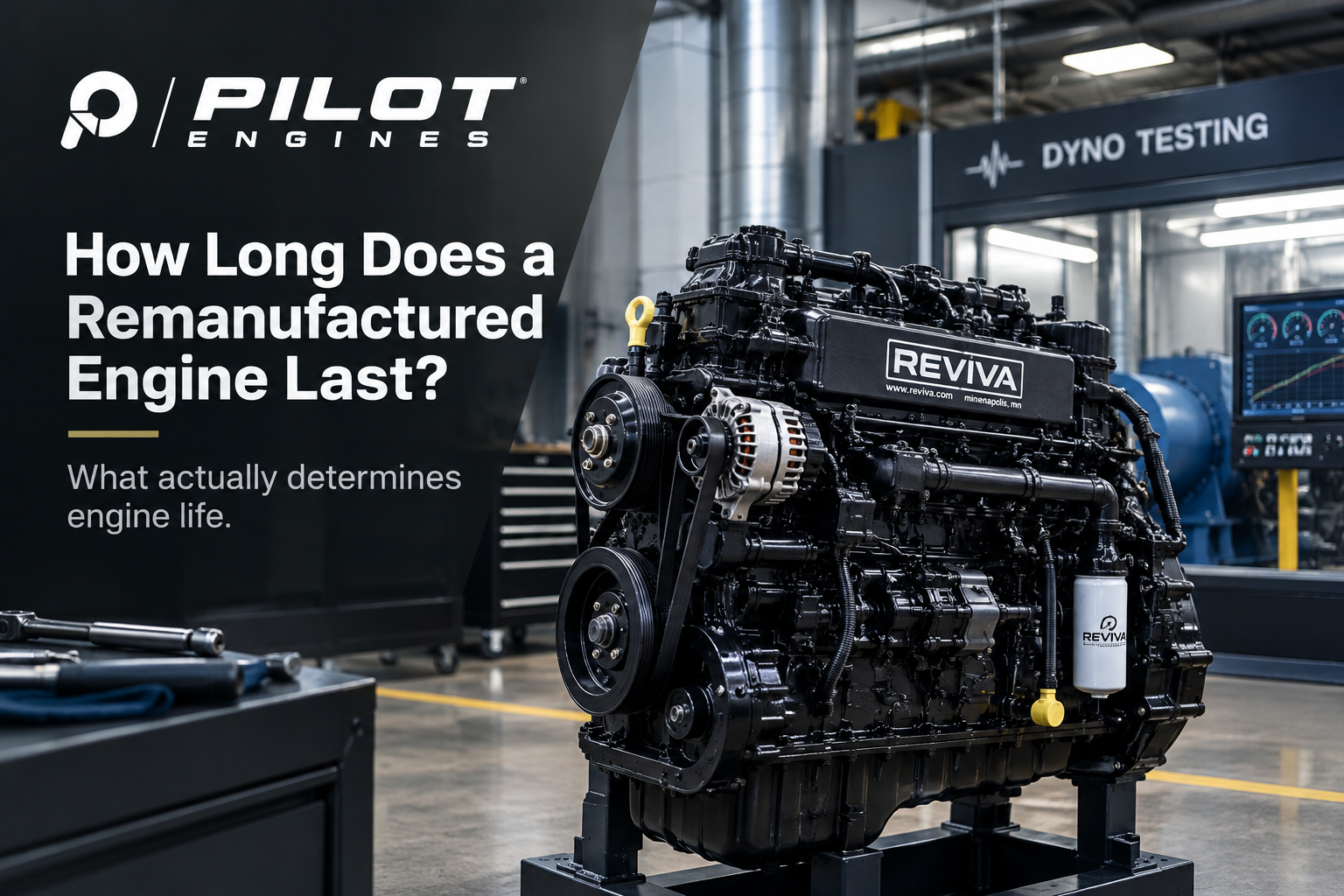
Remanufactured Engine
September 18, 2026
How long does a remanufactured diesel engine last? Discover the key factors affecting engine lifespan and how to get the most from your replacement.
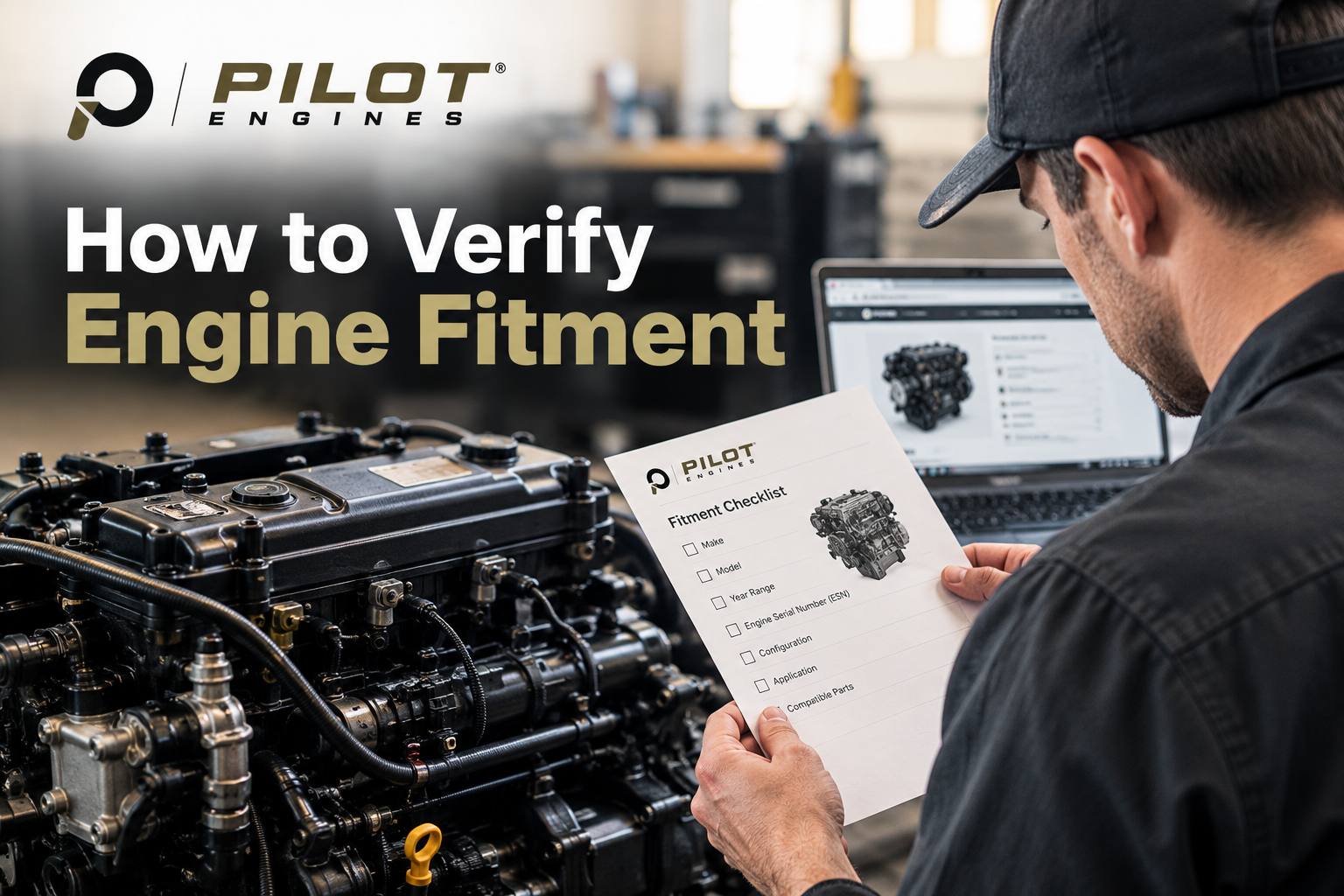
Technician looking at a checklist to confirm fitment.
By Bryan Schuldt • September 16, 2026
Learn what repair shops should verify before ordering a replacement engine, including the engine serial number, application, configuration, and fitment.

Technician talking to customer about choosing remanufactured engine
By Bryan Schuldt • September 10, 2026
Learn how repair shops can choose the right remanufactured engine by comparing fit, price, availability, warranty, freight, and supplier support.
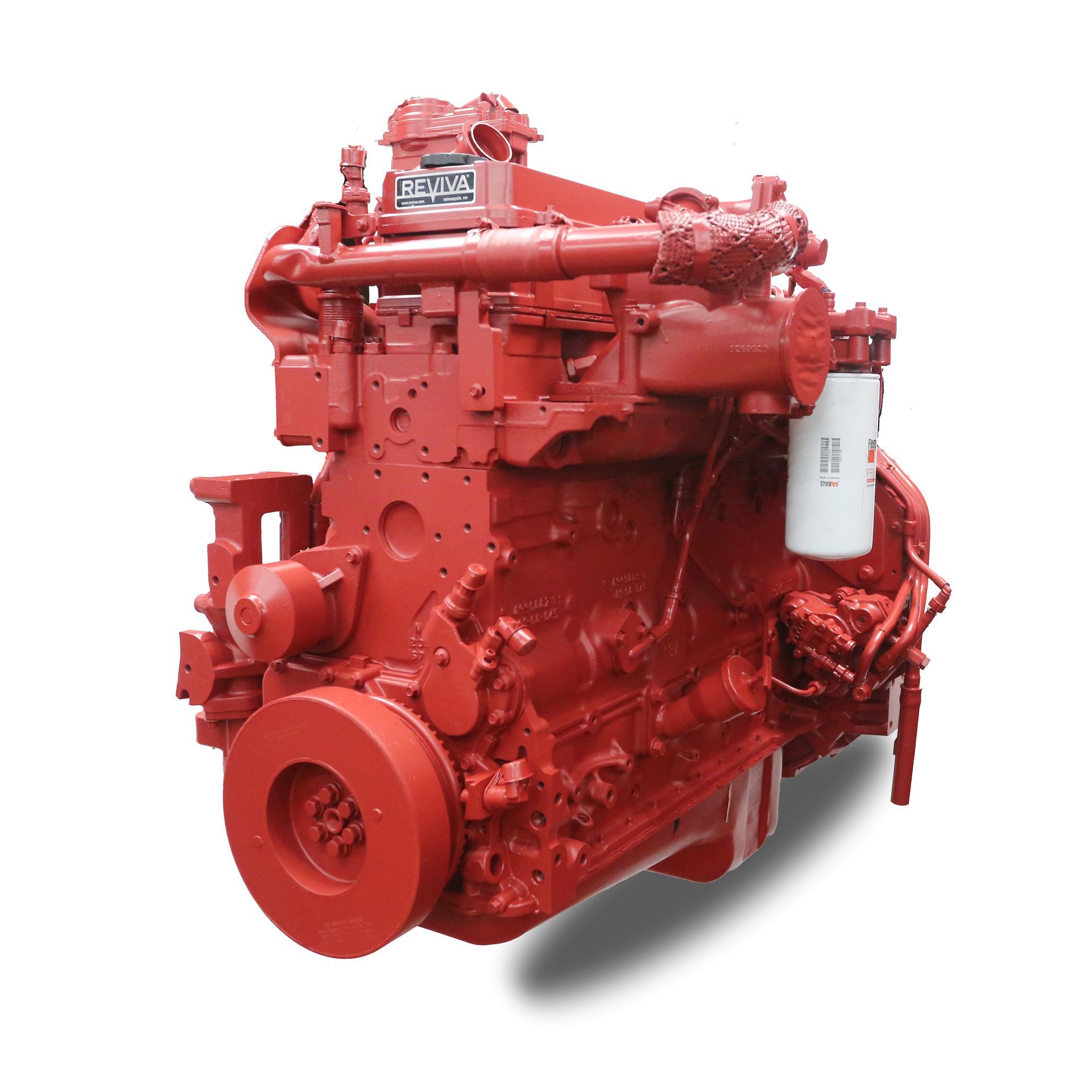
Remanufactured Cummins 6.7 engine from Pilot Engines shown on a white background
By Bryan Schuldt • August 26, 2026
Learn the benefits or a remanufactured engine. Potential cost savings and other FAQ's about engines from the experts at Pilot Engines.
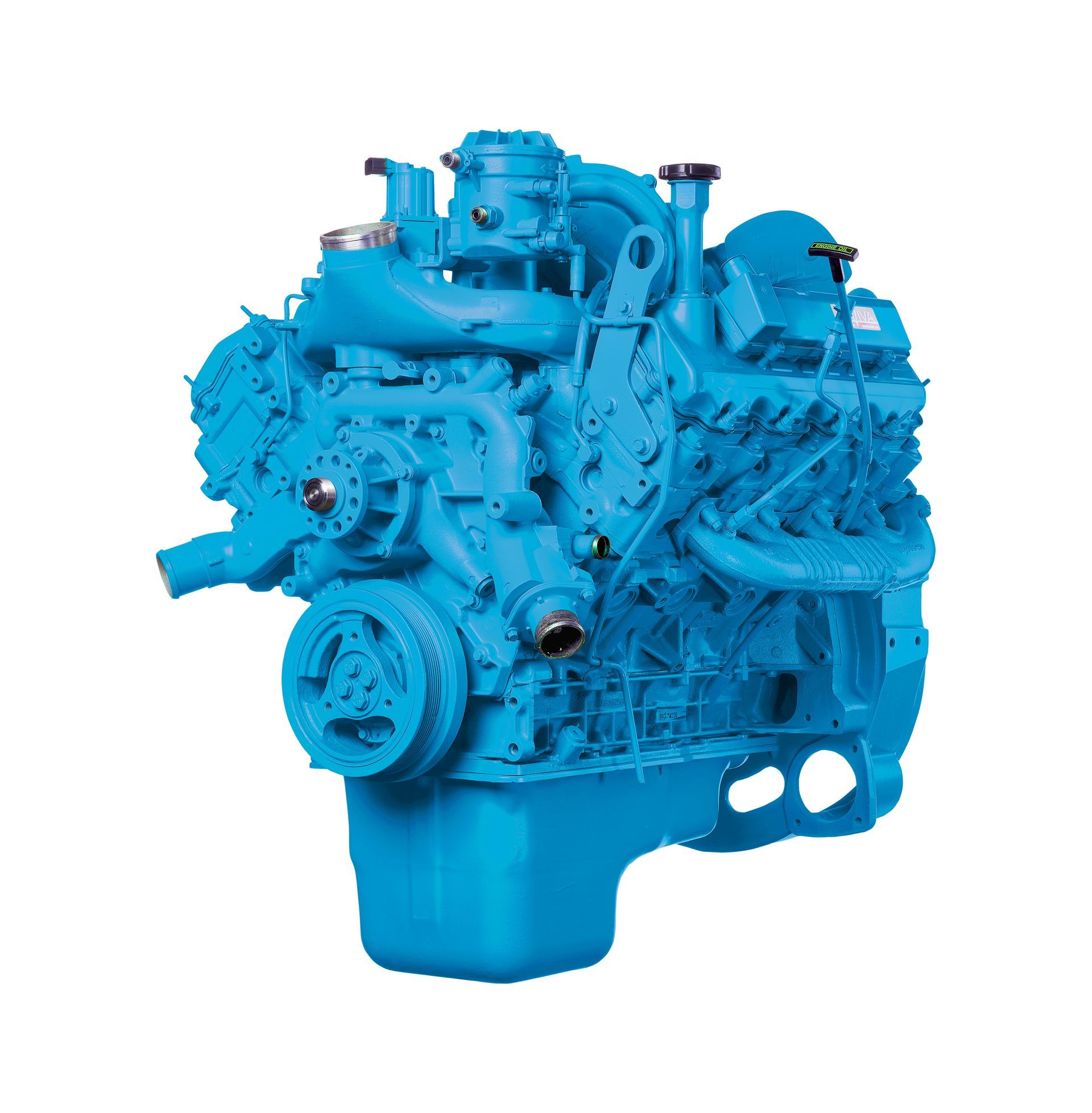
Remanufactured diesel engine from Pilot Engines shown on a white background
By Bryan Schuldt • August 26, 2026
Compare new, remanufactured, and rebuilt engines by cost, reliability, warranty, availability, and lifespan to find the right option for your needs.
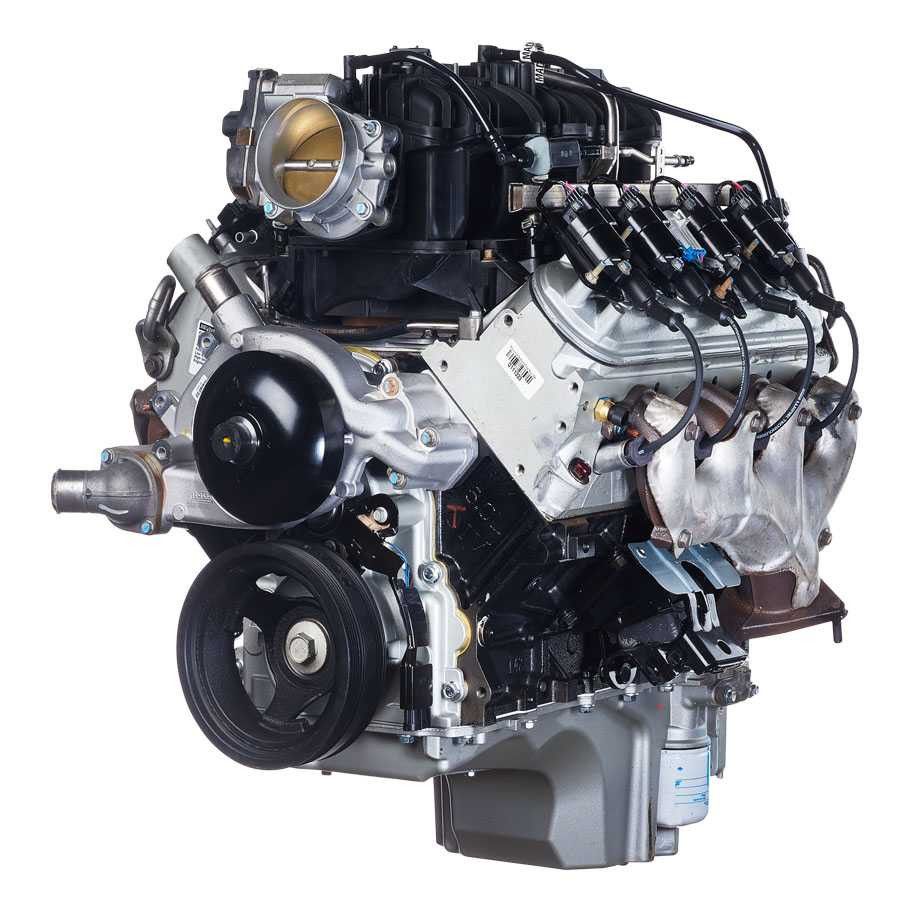
Remanufactured V8 engine from Pilot Engines shown on a white background
By Bryan Schuldt • August 26, 2026
Learn what a remanufactured engine is, how the process works, and how reman engines compare to rebuilt and new engines from the experts at Pilot Engines.
Show More