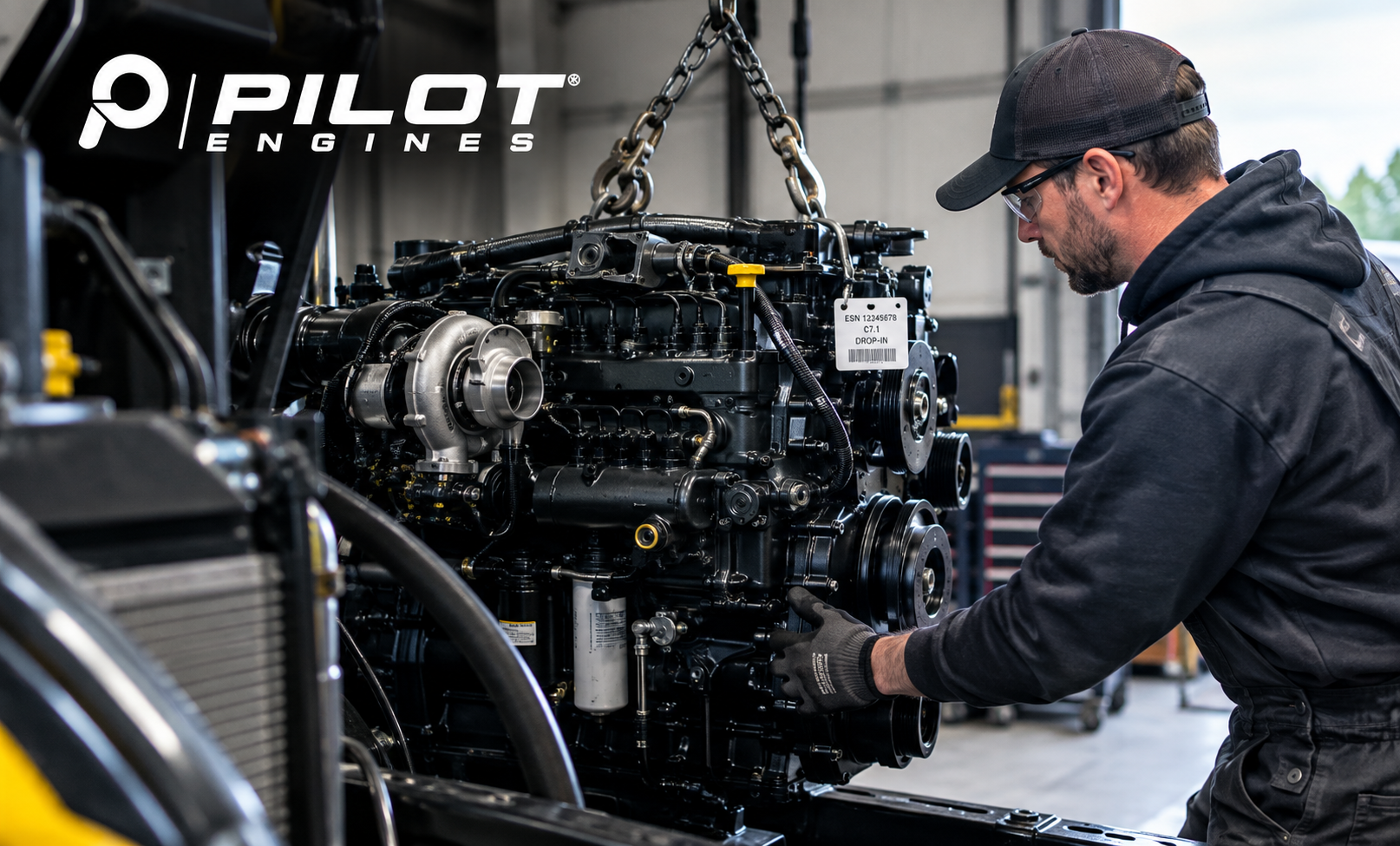
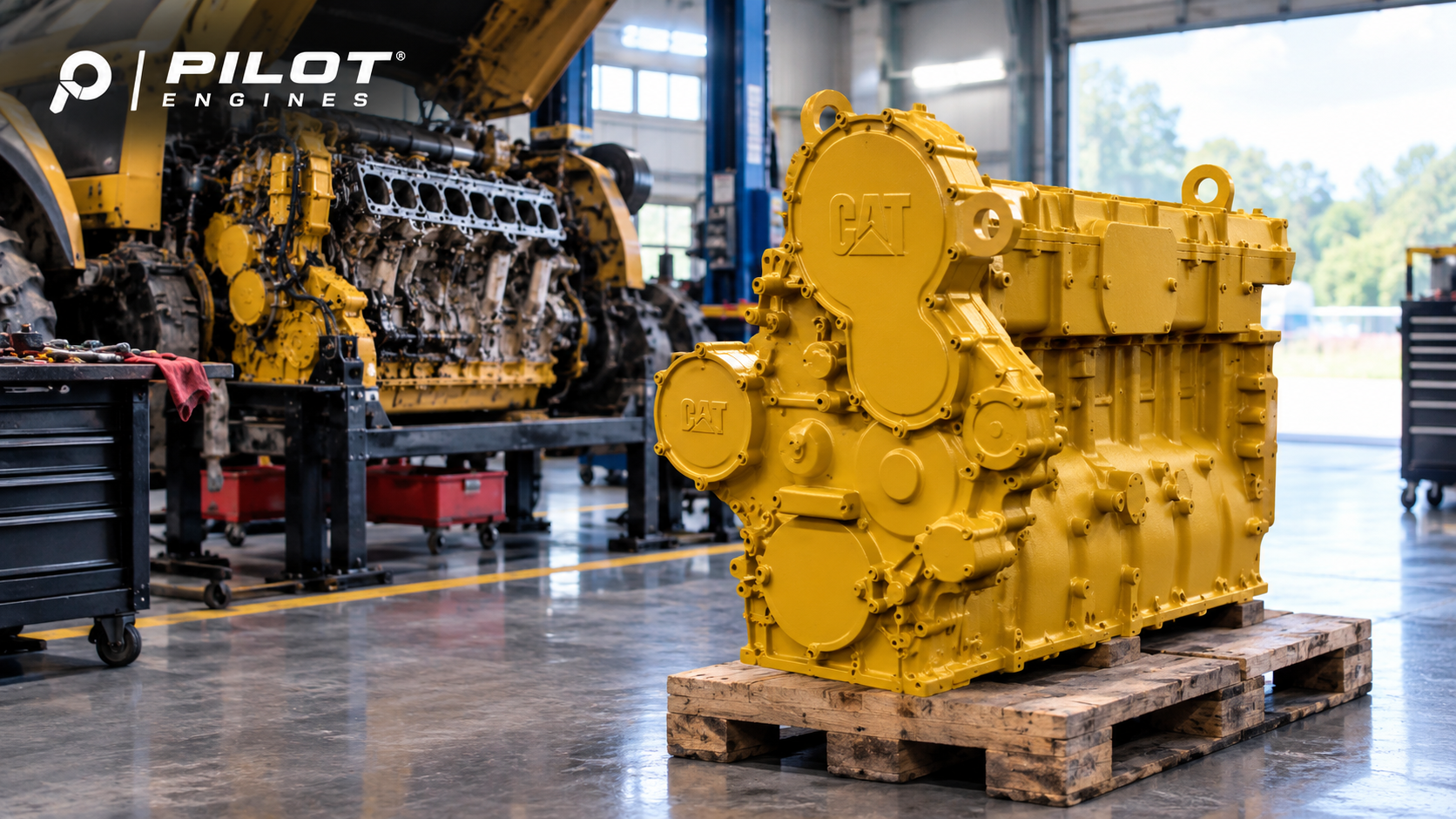
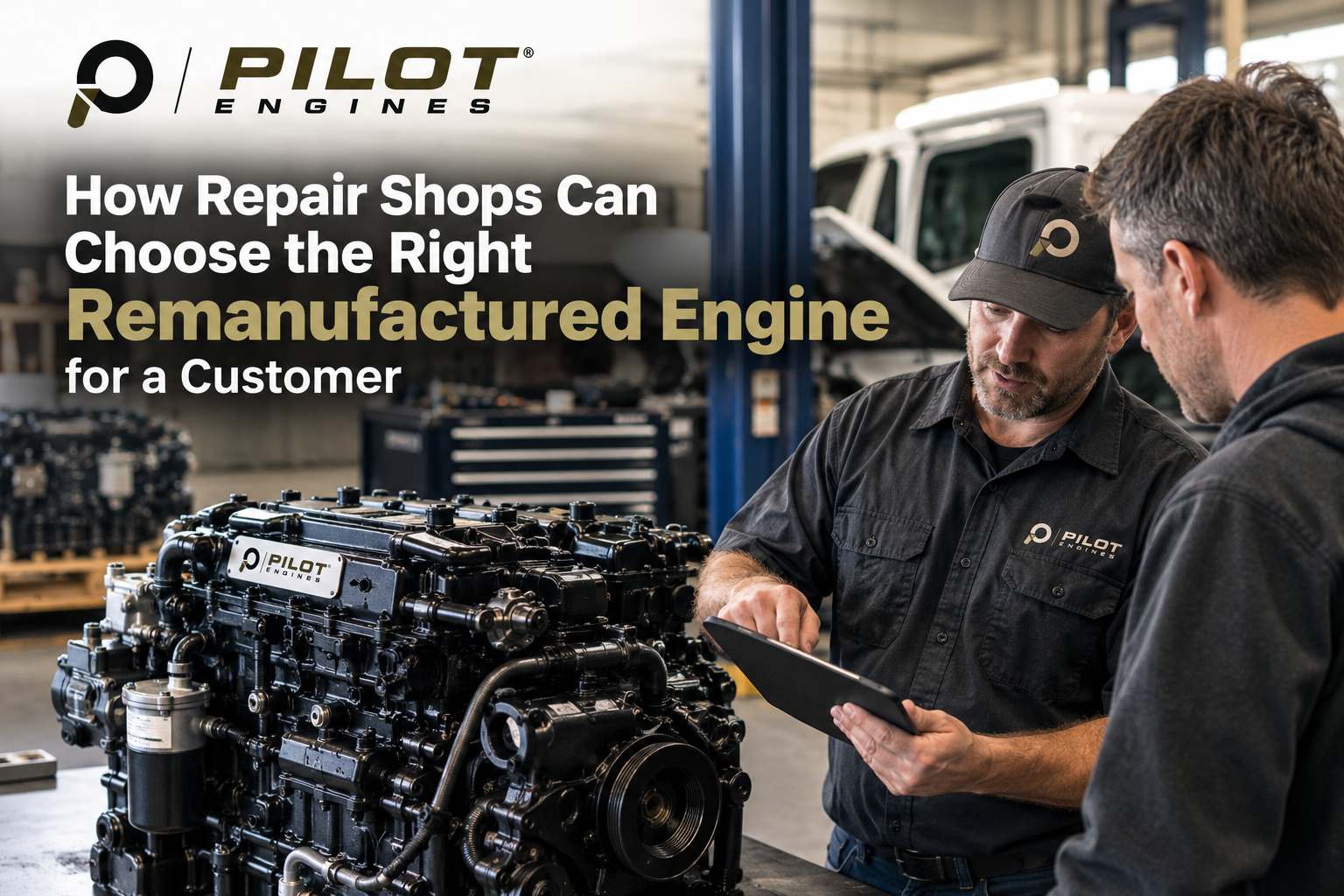
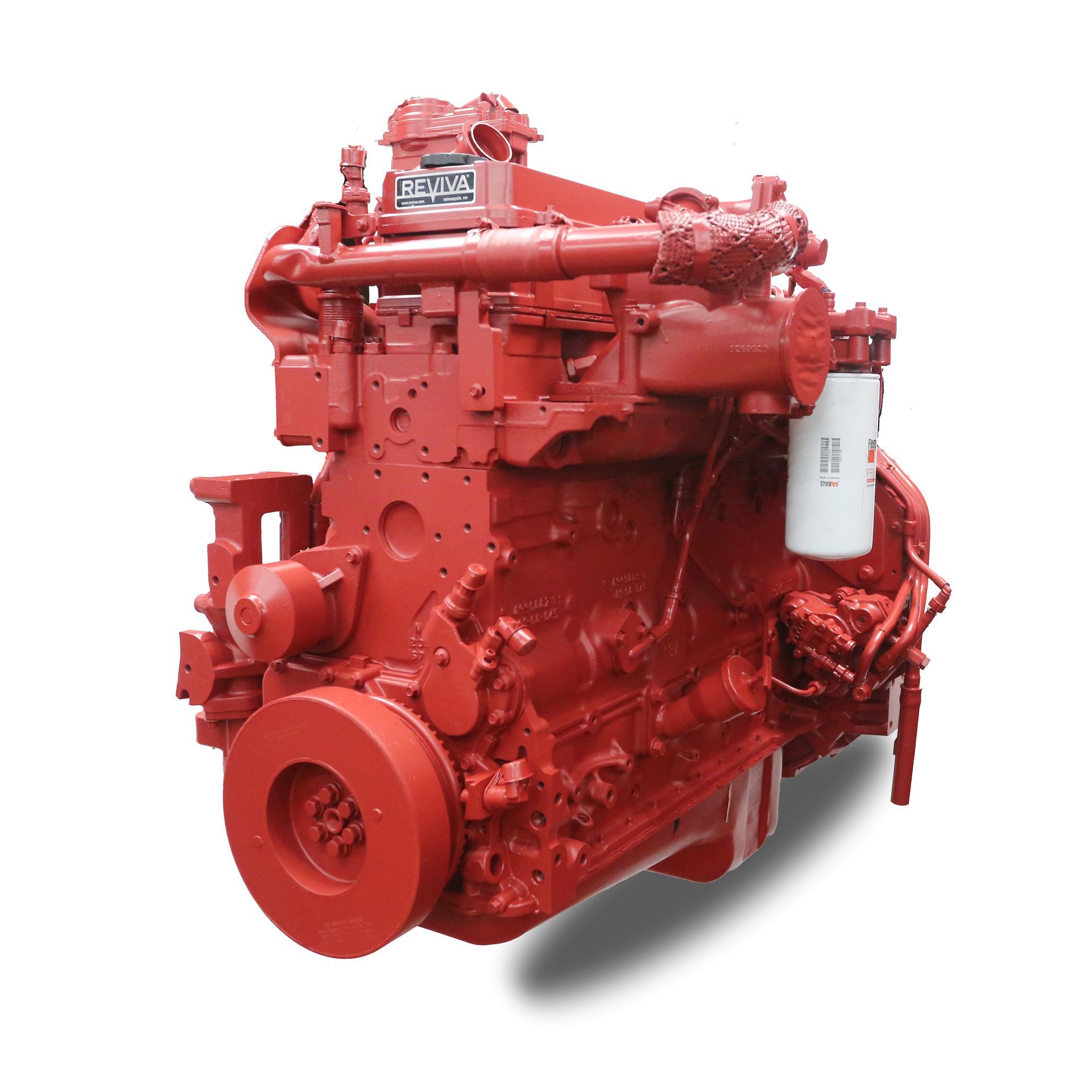
When a diesel engine fails, equipment owners face an important decision: replace the engine, rebuild the existing one, or invest in an entirely new machine. For construction companies, agricultural operations, and other businesses that depend on heavy equipment, the right choice can have a significant impact on operating costs and productivity. A remanufactured diesel engine can offer a cost-effective alternative to buying new equipment, particularly when the existing machine is still in good condition. By replacing the engine rather than the entire machine, businesses may be able to extend the equipment's useful life while avoiding a much larger capital investment.
The key is looking beyond the initial purchase price. Engine fitment, installation expenses, warranty coverage, expected downtime, and the condition of the existing equipment all factor into the total cost of the decision. At Pilot Engines, we help customers find replacement engine solutions for their equipment and applications. Here's how a remanufactured diesel engine can help manage costs and what to consider before making your decision.
Reduce Upfront Replacement Costs
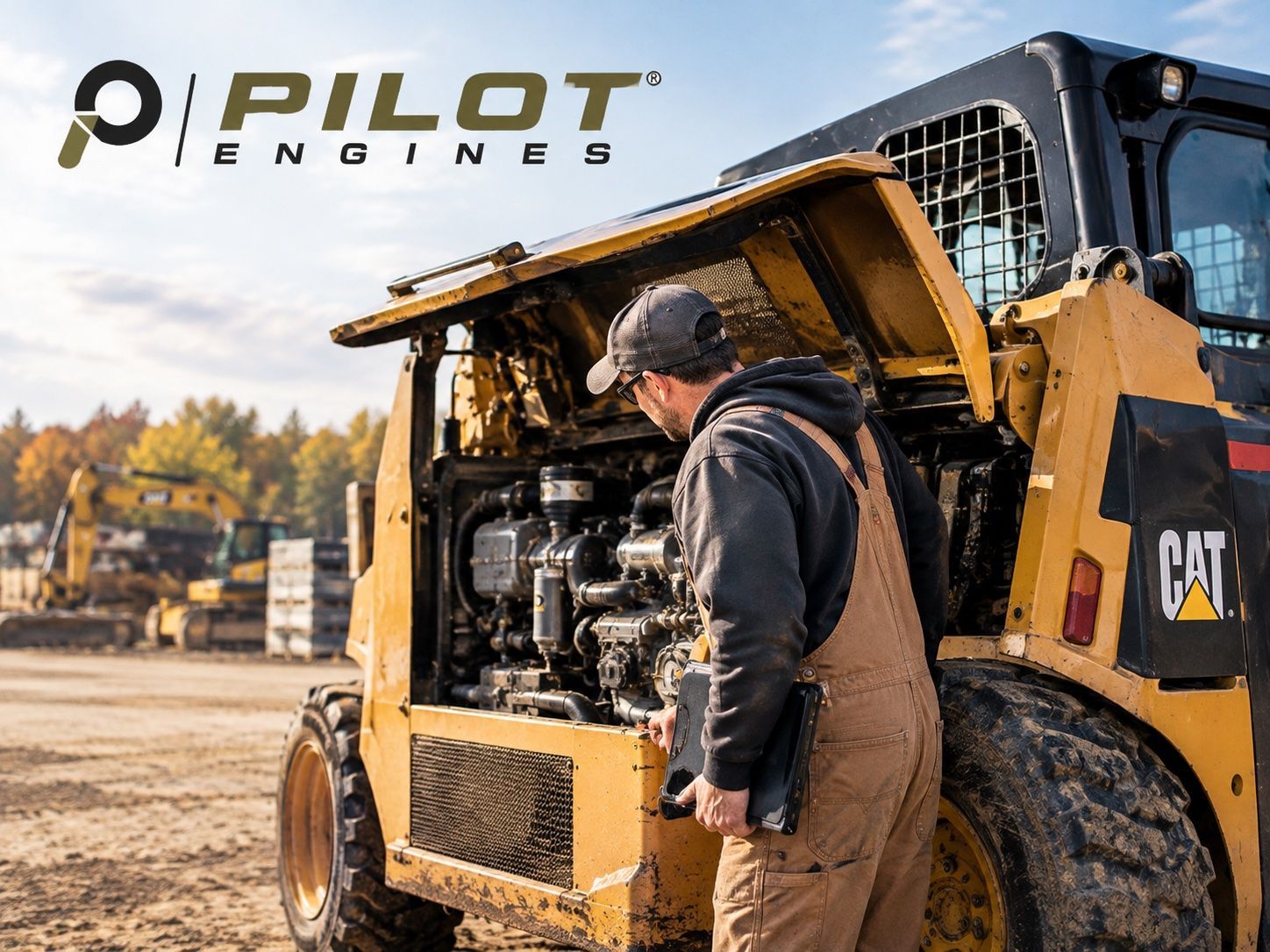
One of the biggest advantages of choosing a remanufactured diesel engine is the potential for significant savings compared with purchasing a new engine or replacing the entire machine. When an excavator, loader, tractor, or other piece of heavy equipment experiences engine failure, buying a brand-new machine may be an unnecessary expense. If the chassis, hydraulics, transmission, and other major components remain in good condition, replacing the engine may be a more economical way to get the equipment back to work.
Remanufactured engines are generally available at a lower purchase price than comparable new engines, although actual savings depend on the engine model, configuration, and availability. The difference can free up capital for other business priorities, including equipment maintenance, additional inventory, staffing, and upcoming projects. For businesses managing multiple machines, those savings can add up. Rather than committing a large portion of the budget to new equipment, fleet managers can evaluate whether replacing an engine makes better financial sense. It's important to compare the complete cost of each option, including the engine, installation, freight, necessary accessories, and any additional repairs. Looking at the full picture helps businesses make an informed decision based on their equipment and operating needs.
Manage Maintenance Costs and Downtime
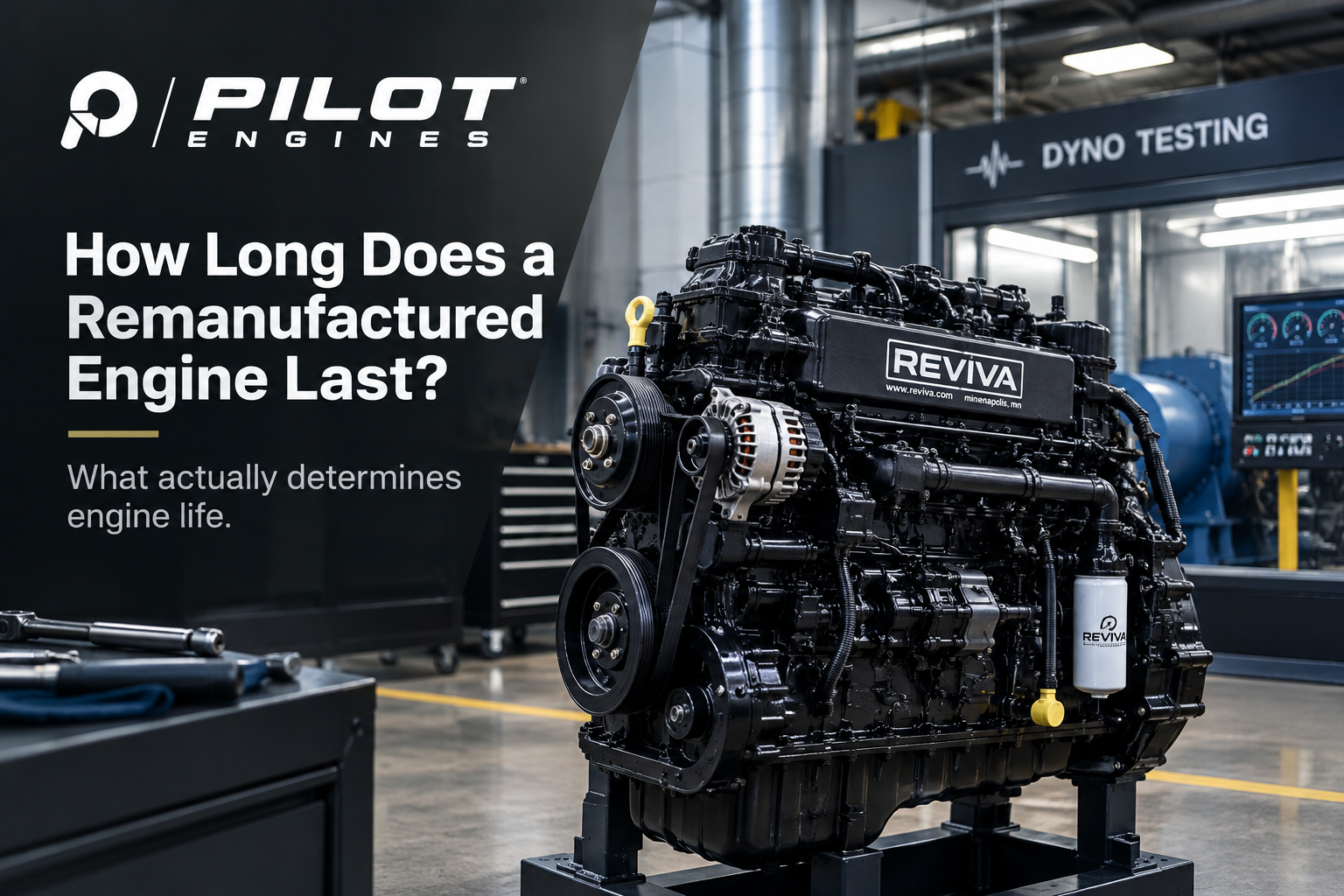
The cost of an engine failure goes beyond the replacement itself. Unexpected downtime can delay projects, disrupt schedules, increase labor expenses, and leave operators and other equipment waiting. A quality remanufactured diesel engine offers an opportunity to replace worn internal components with components restored or replaced to applicable specifications. Depending on the engine and remanufacturing process, this can help return the powerplant to reliable operating condition.
Planning for maintenance also helps businesses manage costs more effectively. When service can be scheduled around production demands, fleet managers have greater control over labor, parts, and equipment availability than when they must respond to an unexpected failure. When evaluating replacement options, consider the expected installation time, parts availability, warranty terms, and the support available if questions arise. These factors can be just as important as the engine's initial price.
Extend the Useful Life of Existing Equipment
Heavy equipment is a substantial investment, and its major components don't necessarily wear out at the same rate. According to How Stuff Works, the vast majority of internal combustion motors operate utilizing a four-stroke cycle. Throughout millions of these repetitive cycles, intense heat causes internal components like pistons and valves to degrade significantly. A machine may have a sound frame, functional hydraulics, and a serviceable transmission even when its original engine has reached the end of its useful life. Replacing the engine can allow a business to continue using equipment it already owns rather than investing in an entirely new machine. This can be particularly valuable for specialized equipment. Excavators, bulldozers, agricultural tractors, loaders, and other machines may have attachments, configurations, or capabilities that would be expensive to replace. Keeping a serviceable machine in operation preserves the value of those existing assets.
Extending equipment life can also help businesses defer the cost of purchasing new machinery. Rather than replacing a machine solely because its engine has failed, owners can compare the cost of an engine replacement with the expected value, remaining service life, and operating costs of the existing equipment. Of course, an engine replacement isn't the right answer in every situation. Extensive structural damage, failing hydraulic systems, or other major mechanical problems may make replacing the entire machine a better investment. Evaluating the overall condition of the equipment is essential before making a decision. When the machine is otherwise worth keeping, however, a remanufactured diesel engine can be a practical way to get more productive years from an existing investment.
Support More Sustainable Equipment Decisions
Remanufacturing can also offer environmental benefits by making productive use of existing engine components and reducing the need for some new raw materials. Manufacturing a new engine requires resources for material extraction, component production, machining, and assembly. Remanufacturing reuses a qualifying engine core and restores components through an established process, potentially reducing material consumption and waste compared with manufacturing an entirely new engine. Keeping existing heavy equipment in service can also help avoid the resources associated with replacing an entire machine before it's necessary. For businesses with sustainability initiatives, these considerations can be part of a broader equipment-management strategy.
Extending the useful life of machinery and making thoughtful replacement decisions can support both resource efficiency and financial responsibility. Actual environmental benefits vary depending on the engine, remanufacturing process, replacement components, and operating conditions. Fuel economy and exhaust emissions also depend on the engine configuration, emissions certification, maintenance, and application. A remanufactured diesel engine should not automatically be assumed to deliver better fuel efficiency or lower emissions than the original. The most straightforward benefit is the opportunity to restore an existing asset rather than discard serviceable equipment simply because its engine needs replacement.
Choose the Right Replacement Engine
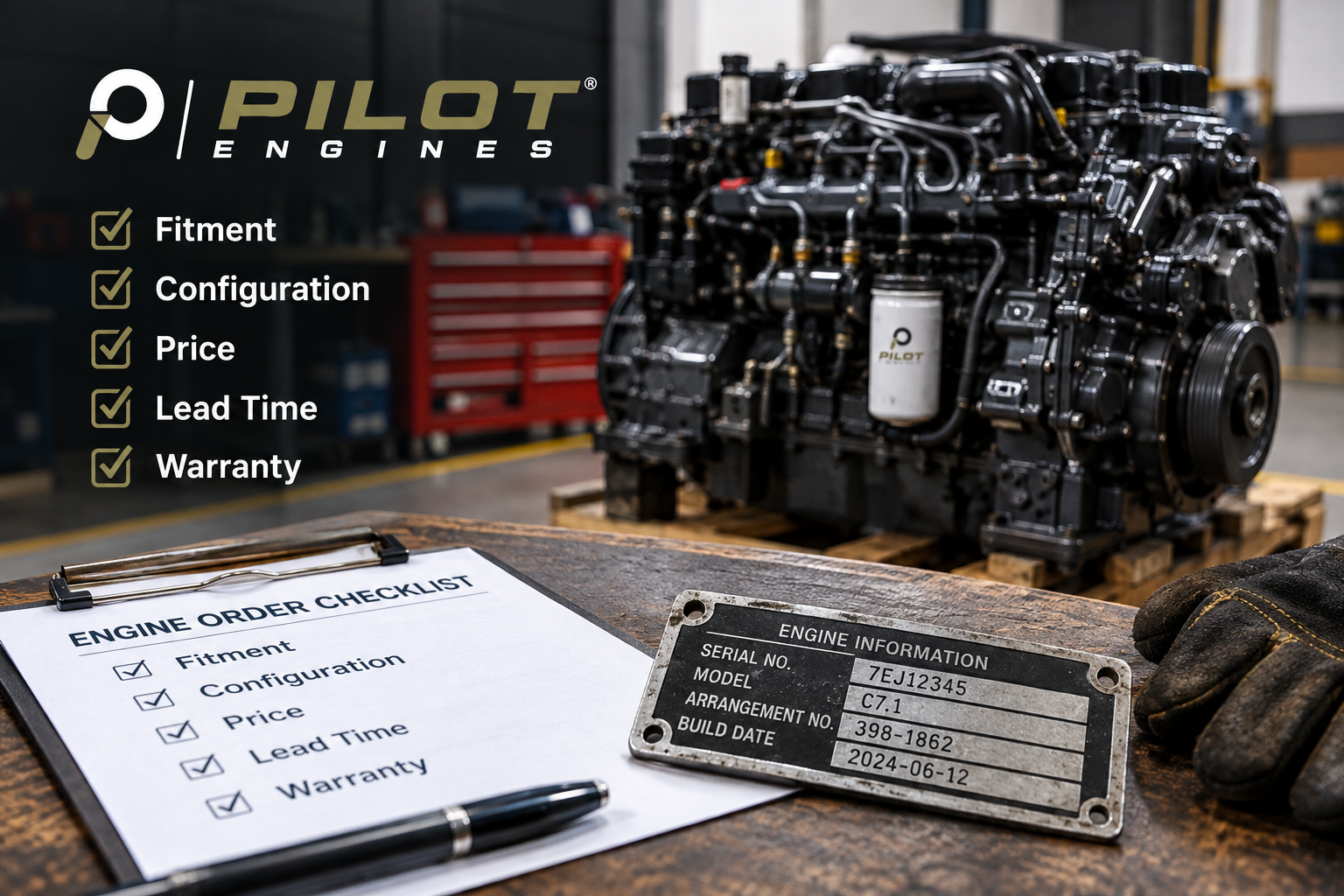
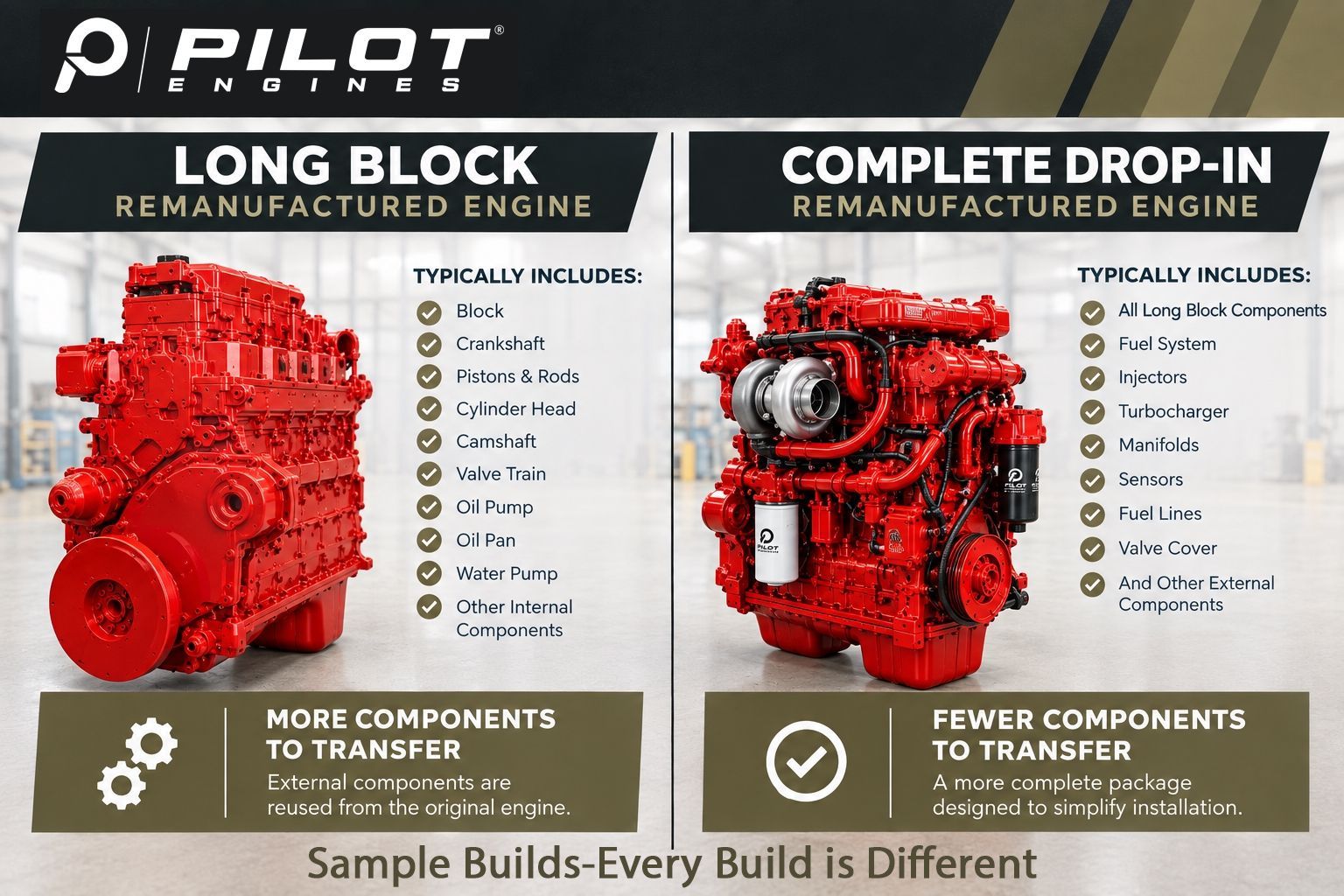
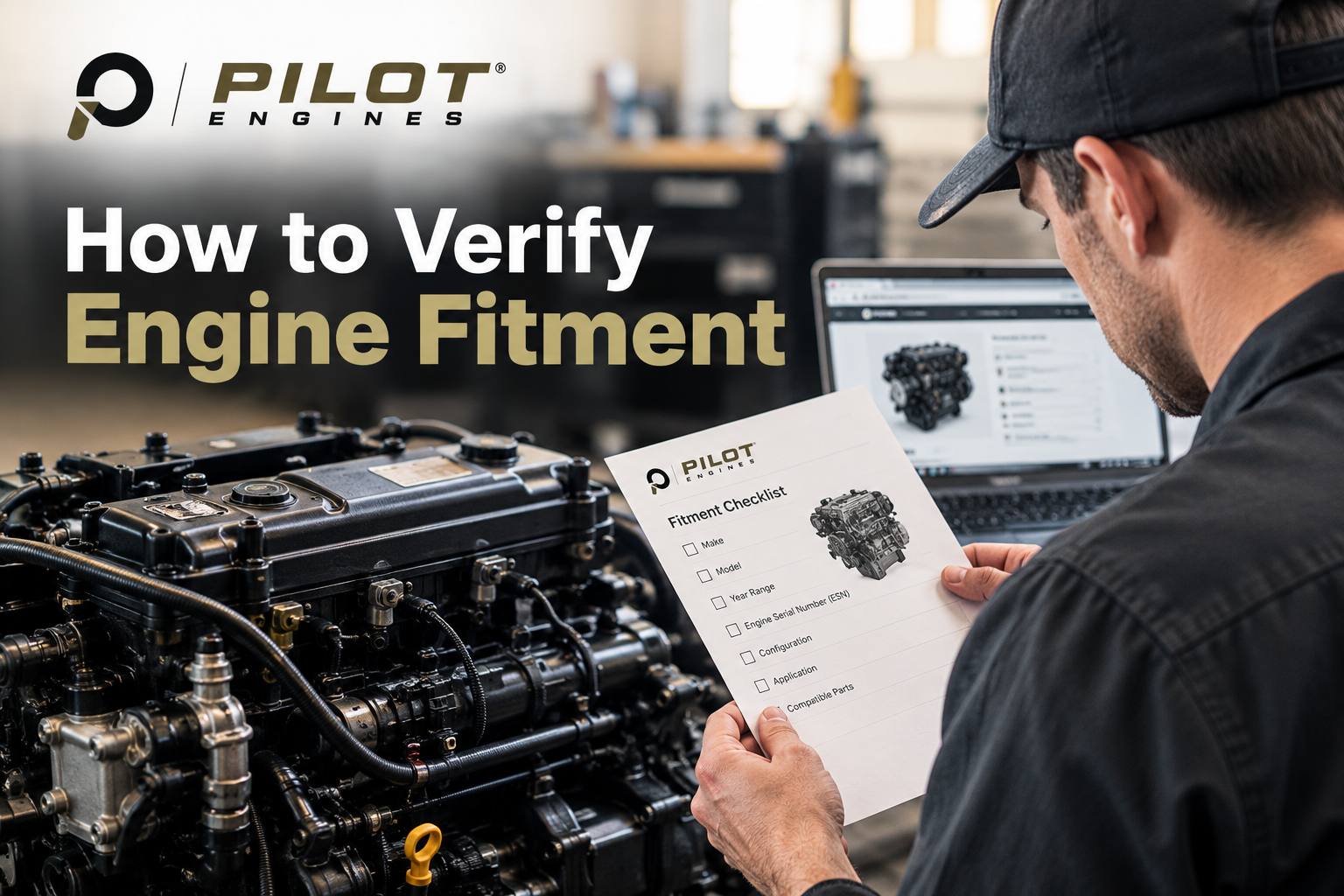
Even a competitively priced engine can become an expensive mistake if it isn't the right fit for the application. Engine model, serial number, equipment configuration, emissions requirements, and other specifications can affect compatibility. Before purchasing a replacement engine, confirm the application and identify the correct engine configuration. Two engines that appear similar may have differences in accessories, electronics, mounting arrangements, or other components that affect installation. It's also important to understand what's included with the engine. A long block and a complete drop-in engine can have very different installation requirements. Knowing which components are supplied—and which may need to be transferred from the original engine or purchased separately—helps prevent surprises during installation.
Warranty coverage is another important consideration. Review the applicable terms, installation requirements, and registration procedures before work begins. Following the specified installation and startup instructions can help protect your investment and avoid preventable complications. At Pilot Engines, we help customers identify replacement engine options for their equipment and applications. Having your engine serial number (ESN) or vehicle identification number (VIN) available can help us narrow down the options and work toward identifying the correct solution. Taking the time to verify fitment before ordering can help reduce installation complications, avoid unnecessary delays, and get your equipment back to work sooner.
Make a Smarter Investment in Your Equipment
When a heavy equipment engine fails, replacing the entire machine isn't always necessary. A remanufactured diesel engine may provide a more economical way to restore an otherwise serviceable machine, manage capital expenses, and extend the useful life of existing equipment. The best decision comes from evaluating the total cost—not just the engine price. Consider installation, downtime, warranty coverage, equipment condition, and the expected years of continued service before choosing a replacement option. Finding the right engine is the next step.
Contact Pilot Engines to discuss your replacement engine needs.
Whether you're maintaining a single machine or managing a fleet, our team can help you explore
remanufactured diesel engine options for your application. Have your engine serial number (ESN) or vehicle identification number (VIN) available so we can help identify the right engine for your equipment and get you closer to getting back to work.