
7011163434 • September 29, 2026

What to Check Before Installing a Reman Engine

Date

September 29, 2026

Share

What to Check Before Installing a Reman Engine

Replacing an engine is a major investment, especially when you are doing the installation yourself or managing the work. Before you bolt in a remanufactured engine, take time to verify the engine, inspect the equipment, prepare the installation, and understand the warranty requirements. A few checks before installation can help prevent avoidable delays, additional parts costs, and problems after startup.


Confirm the Engine Before You Start


Before removing the replacement engine from its shipping packaging, make sure you received the configuration you ordered.


The engine serial number is one of the most important pieces of information when identifying a replacement. The same basic engine model can be used in different applications with different configurations, horsepower ratings, emissions equipment, accessories, and mounting arrangements.


At Pilot Engines, we build each replacement engine to the specific engine serial number and application. Providing the correct ESN or VIN gives us the information needed to match the replacement to the engine being removed and helps ensure the replacement is configured for a direct fit. (Pilot Engines)


Before installation, verify:


  • Engine serial number and model
  • Equipment or vehicle make and model
  • Model year
  • Application
  • VIN, when applicable
  • Horsepower and configuration
  • Injection and turbocharger configuration
  • Mounting and accessory requirements
  • Long block or complete drop-in configuration


If anything does not match your original application, stop and confirm the configuration before continuing.

Inspect the Engine and Shipment


Inspect the engine as soon as it arrives and before beginning the installation.


Look for obvious signs of shipping damage, including damaged components, broken fittings, cracks, or anything else that appears different from the configuration you ordered. Compare the engine with your quote, product information, and any documentation supplied with it.


This is also a good time to identify what you will be transferring from the original engine if you purchased a long block or another configuration that requires component transfer.


At Pilot Engines, we build engines to your exact ESN/VIN and application rather than simply matching a general engine model. That specific configuration is what allows the replacement to match the engine and application it is replacing, helping it install without unnecessary modifications. (Pilot Engines)


If you purchased a long block, make sure you understand which components will transfer from your original engine and which are included with the replacement.

Inspect the Equipment Before Installing the Engine


A replacement engine does not automatically correct problems elsewhere in the equipment.


Before installation, inspect the systems that contributed to the original engine failure or could cause problems with the replacement. Depending on the application, this may include:


  • Cooling system
  • Fuel system
  • Air intake system
  • Exhaust system
  • Electrical connections and wiring
  • Sensors and controls
  • Turbocharger and related components
  • Engine mounts
  • Hoses, belts, and fittings
  • Radiator and cooling components


Pay particular attention to anything that may have caused or contributed to the original failure. If the underlying problem is not addressed, a replacement engine could be exposed to the same condition.


For application-specific requirements, follow the equipment manufacturer's service procedures.


Know What Needs to Transfer


One of the biggest differences between replacement-engine configurations is how much of the original engine must be reused.


A long block generally requires more component transfer than a complete drop-in engine. Pilot's drop-in engines are designed as a more complete package, with fewer parts to transfer from the existing engine. The exact components included vary by engine and application, so review the applicable product information before installation. (Pilot Engines)


Before beginning the installation, make a list of everything that needs to move from the original engine to the replacement. This can help you identify parts that should be inspected, replaced, cleaned, or serviced before they are installed on the new engine.


It can also prevent a common installation problem: discovering halfway through the job that a required component was overlooked.


If you are unsure what your replacement includes, contact us at Pilot Engines before installation. Having your engine serial number, VIN, and equipment information available will help us confirm the correct configuration.


Follow the Installation and Warranty Requirements


Even when an engine is built specifically for your application, installation procedures still matter.


Here at Pilot Engines, we build engines to the exact engine serial number, but the installation should still follow the applicable OEM service and installation procedures. Pilot Engines does not currently provide installation services and recommends using an ASE-certified repair facility or OEM dealer when appropriate. (Pilot Engines)


Warranty requirements are also important before the engine is started. Pilot Engines requires engine registration for warranty coverage, and warranty work must be preauthorized. Warranty coverage varies by engine configuration and application, so review the warranty information that applies to your specific engine before installation. (Pilot Engines)


Keep your:

  • Engine purchase information
  • Engine serial number
  • Installation date
  • Warranty registration information
  • Installation documentation
  • Relevant service records


If a problem occurs later, having this information available can make the warranty process easier.


Take Your Time Before First Startup


The installation is not finished when the engine is bolted into place.


Before starting the engine, work through the applicable manufacturer's installation and startup procedures. Double-check fluid levels, connections, electrical components, hoses, belts, sensors, fuel connections, and other items that were removed or transferred during installation.


Then follow the required startup and break-in procedures for your specific engine and application.

The goal is simple: don't let a rushed installation create a problem with an engine that was installed to solve one.


Frequently Asked Questions

  • Should I inspect my equipment before installing a remanufactured engine?

    Yes. Inspect systems that could affect the replacement engine, particularly components related to cooling, fuel, air intake, exhaust, electrical systems, and the original cause of failure. Following the equipment manufacturer's procedures can help identify problems before the replacement engine is put into service.

  • Does the engine serial number matter when ordering a replacement?

    Yes. The engine model alone may not identify the exact application. Pilot Engines recommends providing the engine serial number along with equipment or vehicle information so the correct replacement configuration can be confirmed. (Pilot Engines)

  • What should I do if I'm not sure the engine is correct?

    Stop before installation and verify the application. Have the engine serial number, model, equipment or vehicle information, and VIN when applicable available when contacting Pilot Engines. Confirming the configuration before installation is much easier than discovering a fitment issue after the engine is installed.

Ready to Install?


Not sure what you need? Give us a call before you start. Have your engine serial number, VIN, and equipment details available, and our team can help confirm the correct replacement and configuration for your application.


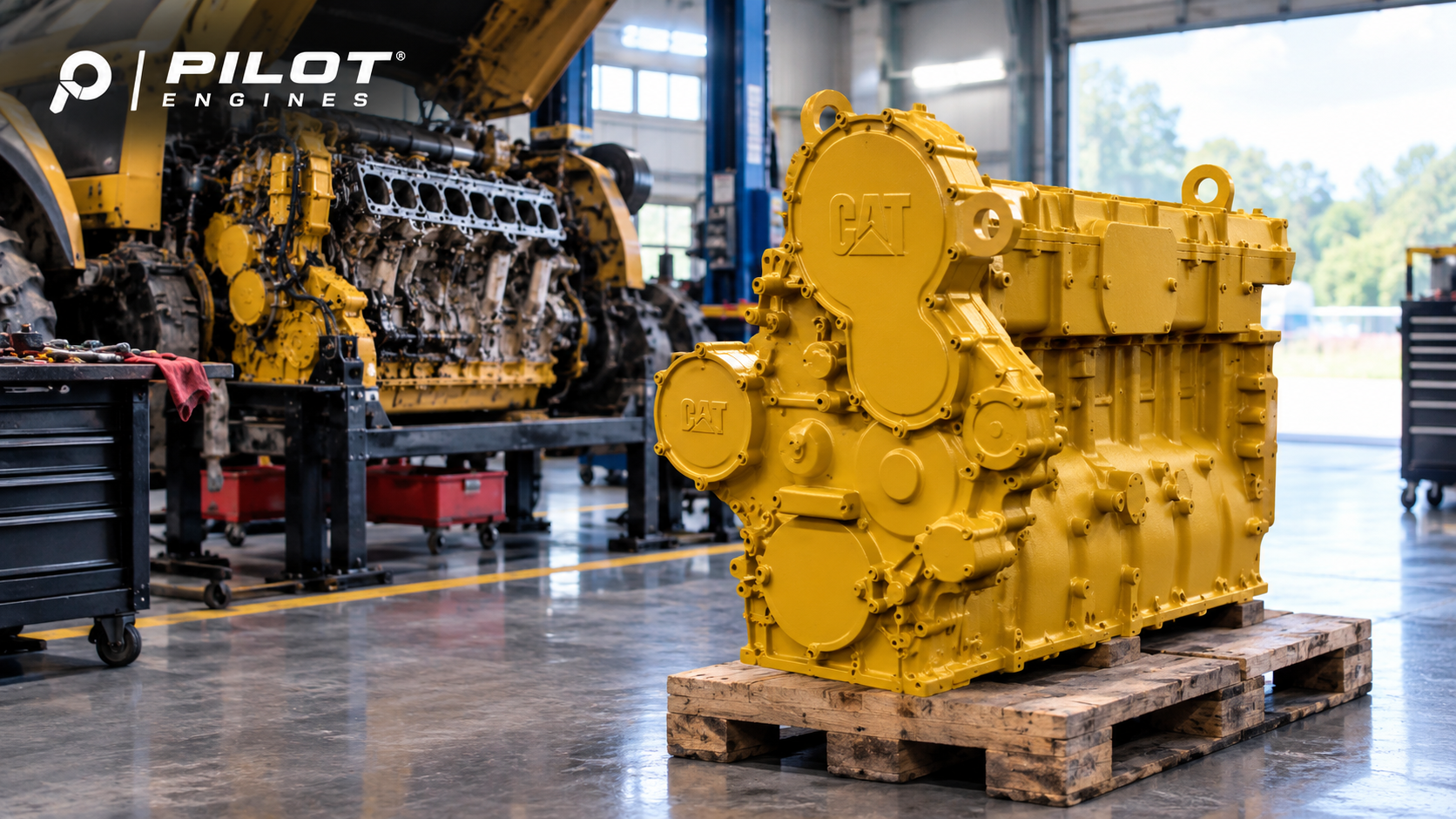
Yellow diesel engine in a repair shop comparing inframe rebuild and remanufactured engine options
By 7011163434 • September 23, 2026
Compare an inframe rebuild vs. a remanufactured engine and learn how damage, downtime, budget, fitment, and warranty can guide the right choice.
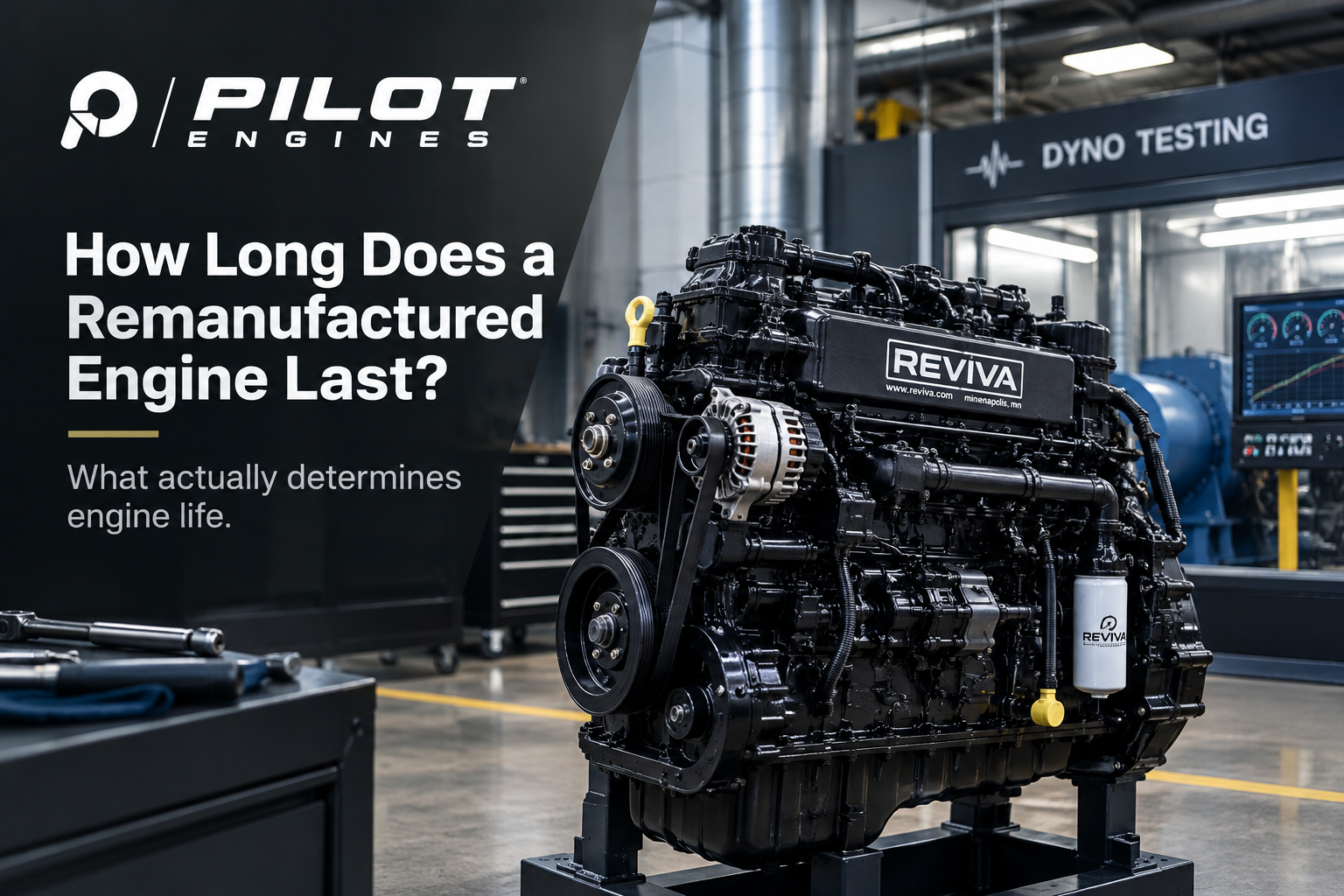
Remanufactured Engine
September 18, 2026
How long does a remanufactured diesel engine last? Discover the key factors affecting engine lifespan and how to get the most from your replacement.
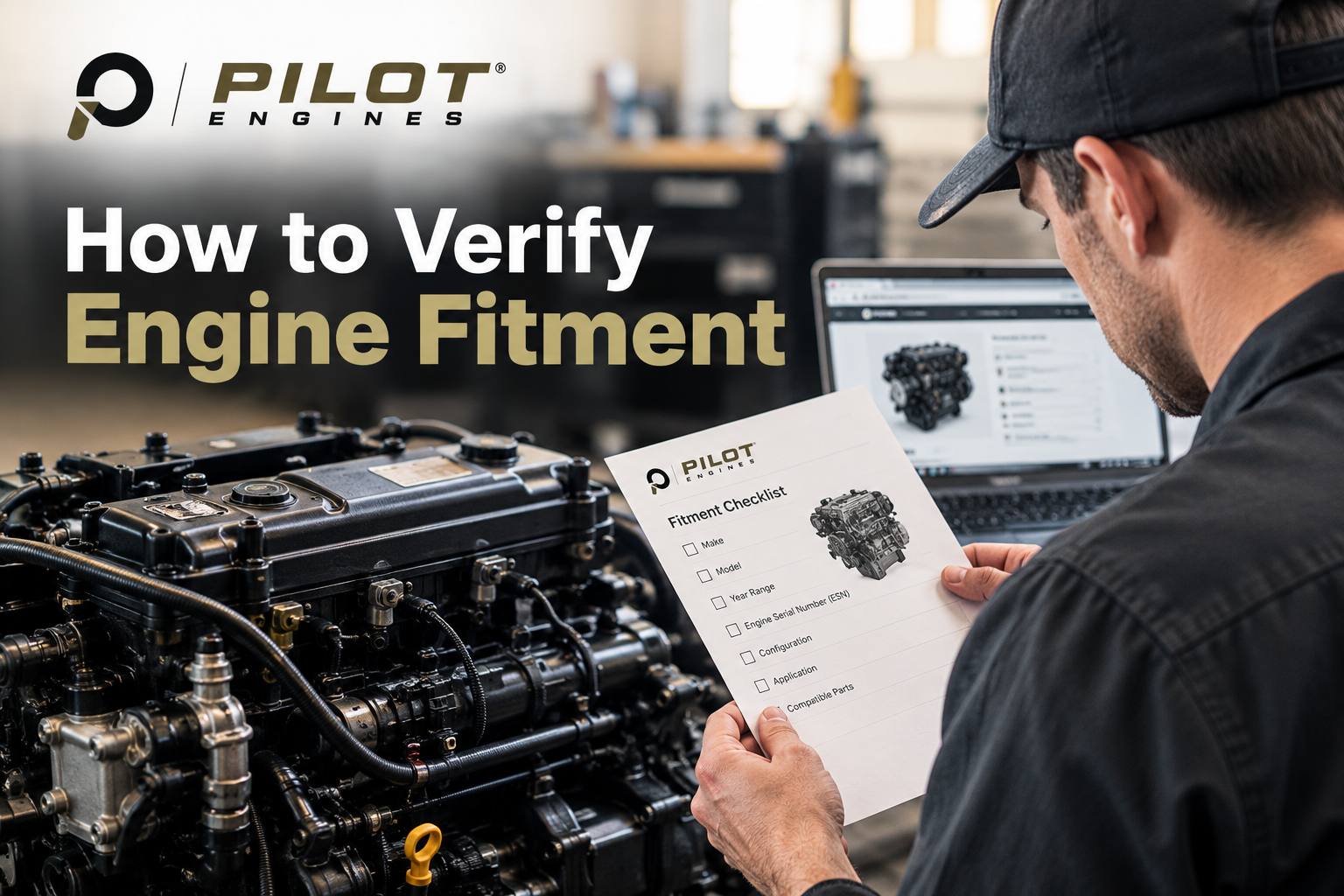
Technician looking at a checklist to confirm fitment.
By Bryan Schuldt • September 16, 2026
Learn what repair shops should verify before ordering a replacement engine, including the engine serial number, application, configuration, and fitment.

Technician talking to customer about choosing remanufactured engine
By Bryan Schuldt • September 10, 2026
Learn how repair shops can choose the right remanufactured engine by comparing fit, price, availability, warranty, freight, and supplier support.
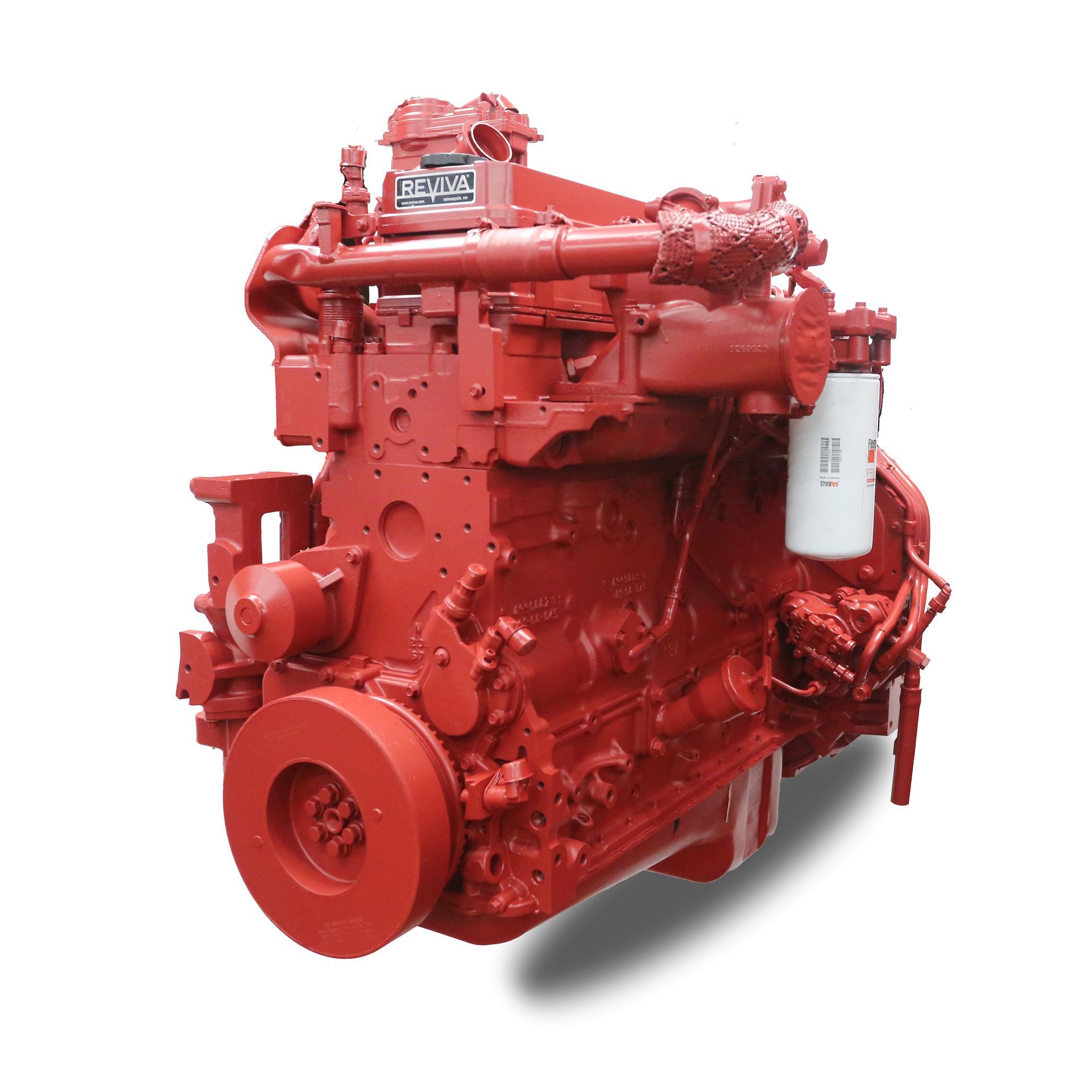
Remanufactured Cummins 6.7 engine from Pilot Engines shown on a white background
By Bryan Schuldt • August 26, 2026
Learn the benefits or a remanufactured engine. Potential cost savings and other FAQ's about engines from the experts at Pilot Engines.
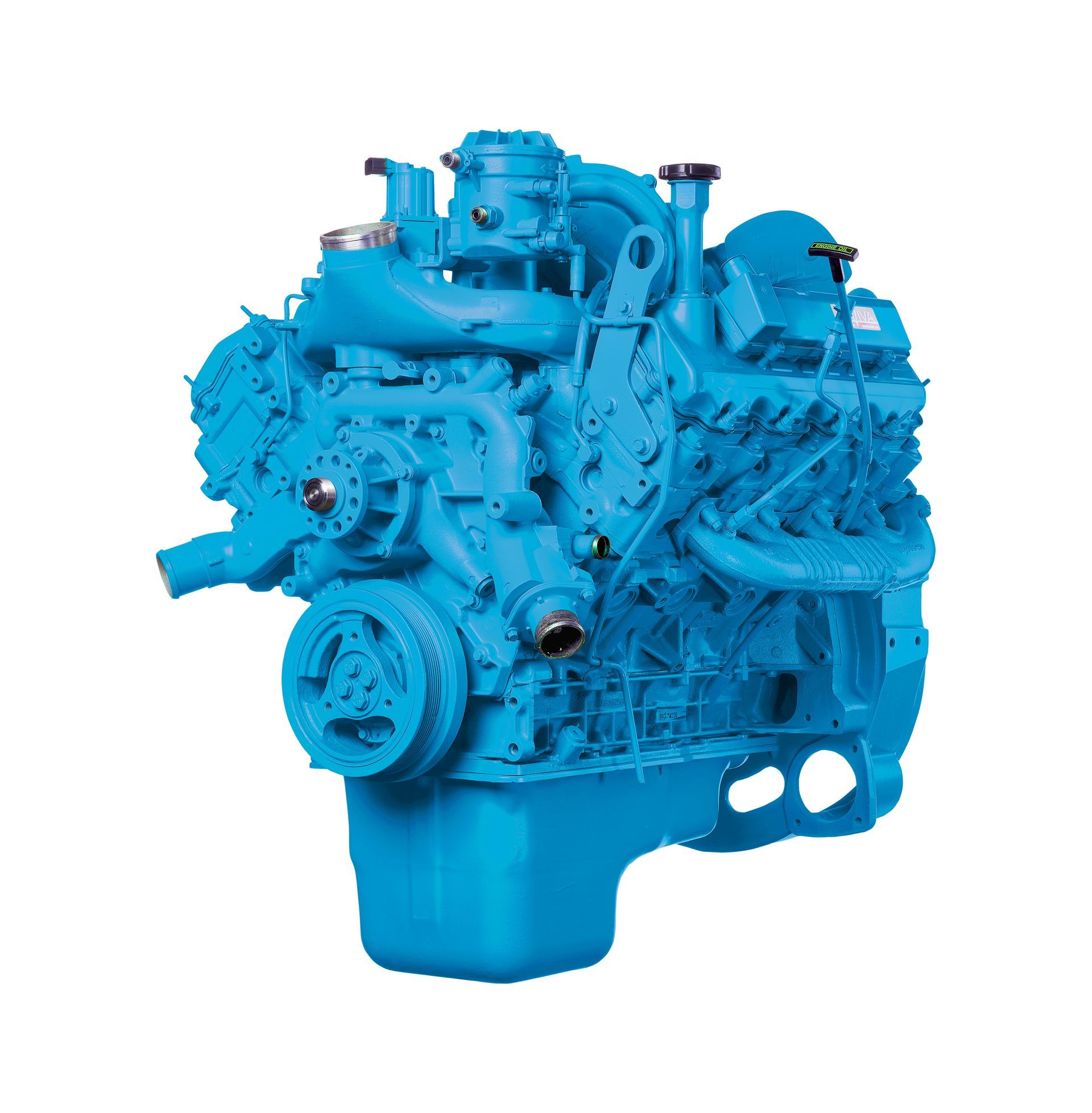
Remanufactured diesel engine from Pilot Engines shown on a white background
By Bryan Schuldt • August 26, 2026
Compare new, remanufactured, and rebuilt engines by cost, reliability, warranty, availability, and lifespan to find the right option for your needs.
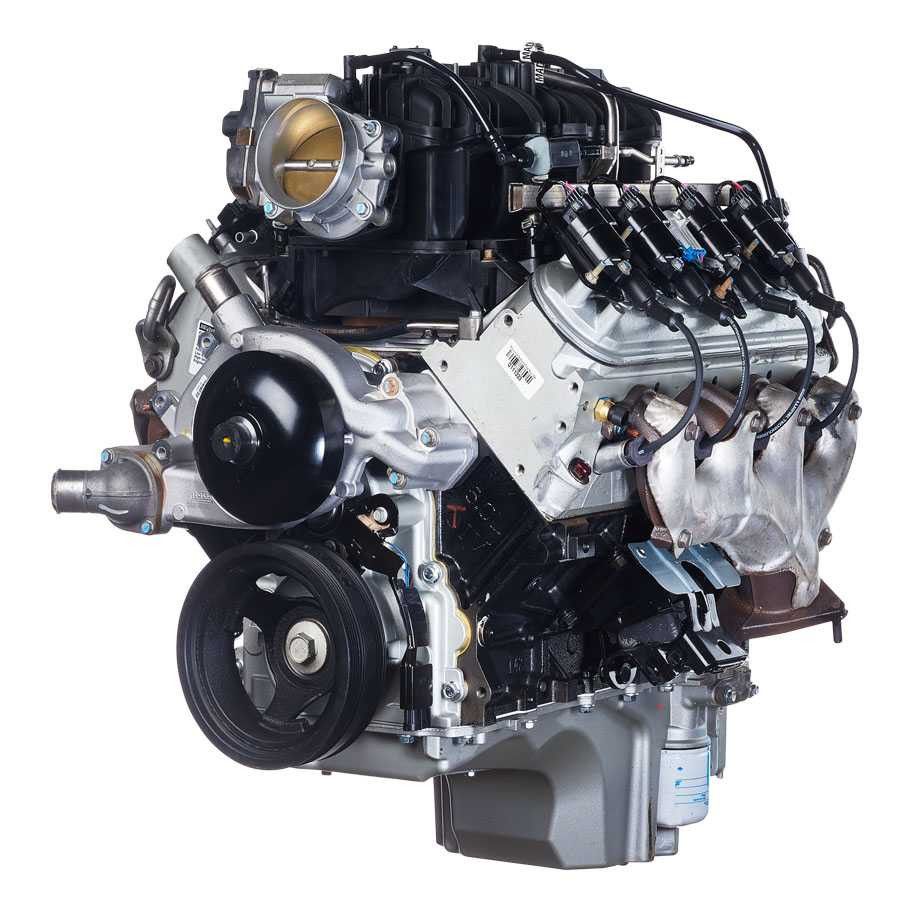
Remanufactured V8 engine from Pilot Engines shown on a white background
By Bryan Schuldt • August 26, 2026
Learn what a remanufactured engine is, how the process works, and how reman engines compare to rebuilt and new engines from the experts at Pilot Engines.
By Bryan Schuldt • August 21, 2026
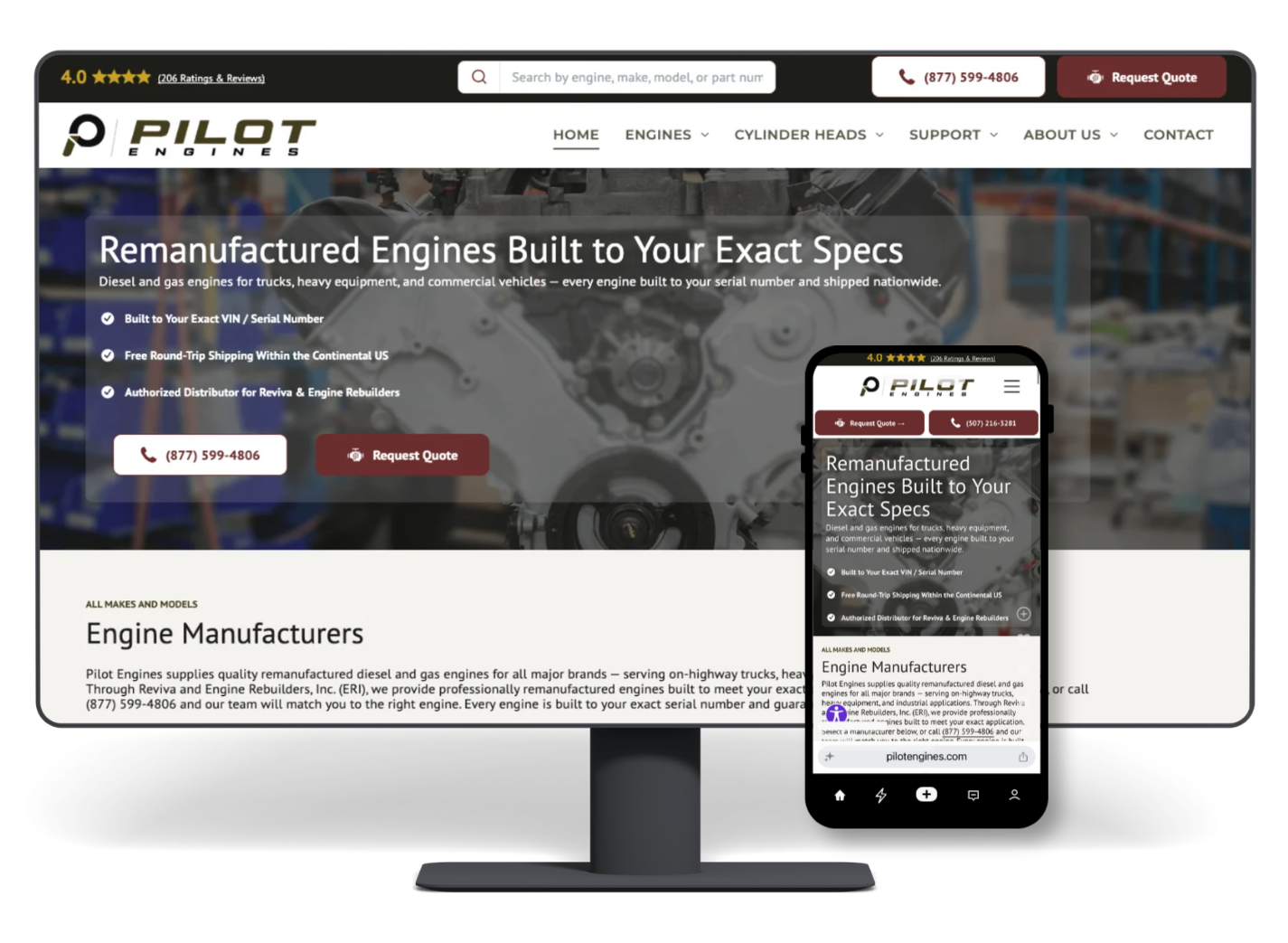
Pilot Engines Launches New Website for Remanufactured Engine Customers