Purchasing an engine is a significant investment, especially when a vehicle or piece of equipment depends on reliable performance for daily operations. Whether an original engine has reached the end of its service life or needs replacement after extensive wear, finding the right replacement is an important decision. A remanufactured engine can provide an alternative to purchasing a brand-new engine while allowing buyers to benefit from restored components and established manufacturing processes. However, understanding what goes into remanufacturing, what to look for in a seller, and how to evaluate an engine's condition can help buyers make an informed purchase.
For those considering a
remanufactured Cummins engine, there are several factors worth examining before making a final decision. Cummins engines are used in various applications, including commercial trucks, construction equipment, agricultural machinery, and other heavy-duty vehicles. Because these applications often require dependable power, selecting an engine that meets the equipment's specifications is essential. Understanding the remanufacturing process, compatibility requirements, warranties, and long-term maintenance expectations can help ensure the replacement engine is appropriate for the intended application.
Understanding the Remanufacturing Process
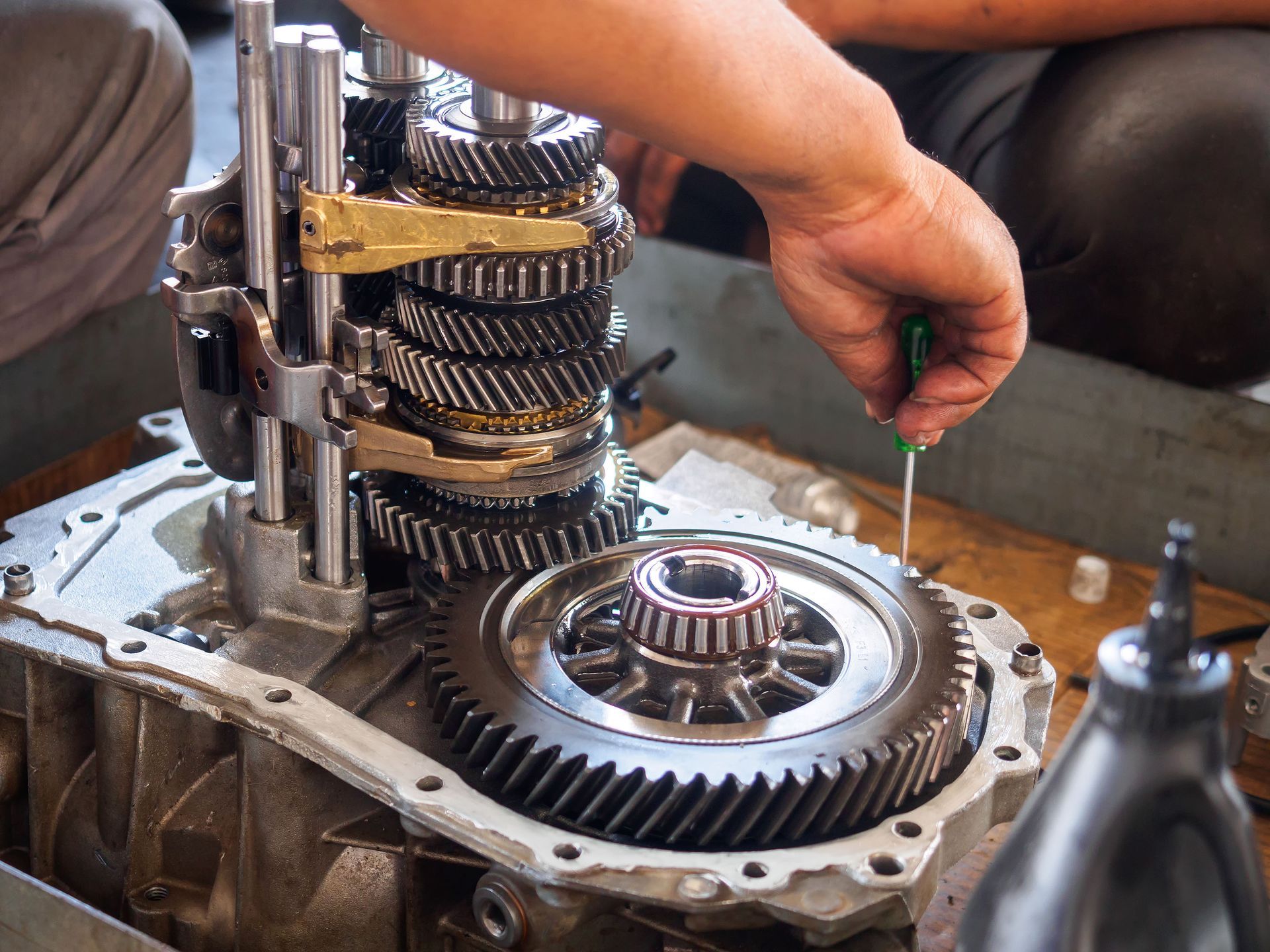
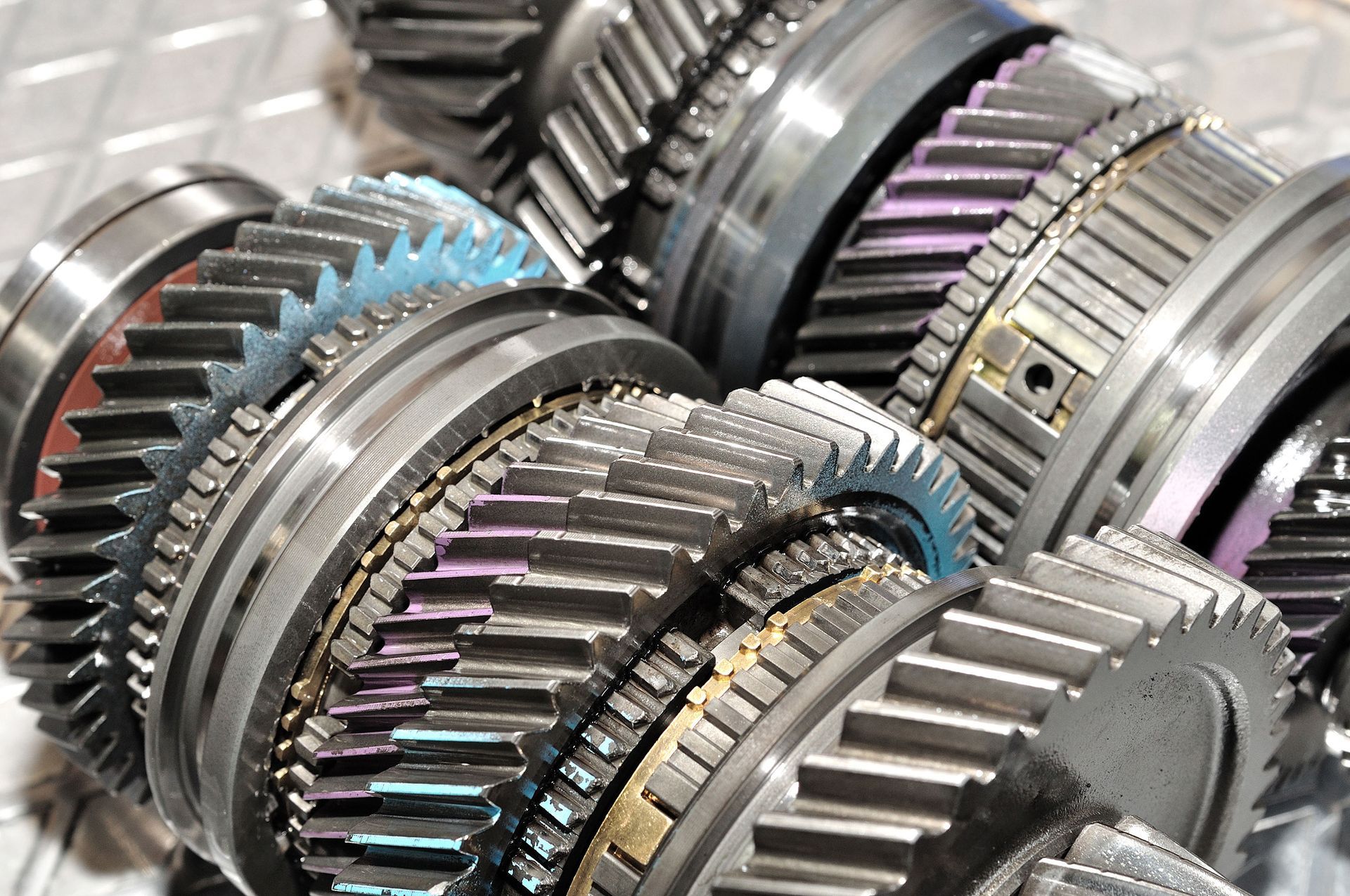
One of the first things to understand before purchasing an engine is what remanufacturing actually involves. A remanufactured engine is not simply a used engine that has been cleaned and resold. Instead, it undergoes a detailed process in which the engine is disassembled, inspected, cleaned, and rebuilt to meet established performance and quality standards. Worn or damaged components are repaired or replaced, and the engine is tested before being made available for purchase.
According to Cummins Inc, about 85% of an engine can be salvaged and remanufactured using parts like turbochargers and cylinder heads, while components with a predetermined lifespan or hard-to-detect fatigue are scrapped and replaced. This process allows manufacturers to reuse suitable materials while addressing components that may no longer meet performance requirements.
When shopping for a remanufactured Cummins engine, buyers should ask about the specific procedures used during the rebuilding process. These details can vary depending on the manufacturer and the engine model. Understanding how components are inspected, which parts are replaced, and what testing is performed can provide a clearer picture of the engine's overall quality. A reputable supplier should be able to explain these procedures and provide information about the standards used throughout remanufacturing.
Identifying the Correct Engine Model
Engine compatibility is another important consideration. Cummins manufactures engines for a wide range of vehicles and equipment, and different models can have significantly different specifications. Even engines that appear similar may vary in horsepower, torque, displacement, fuel system design, electronic controls, and mounting configurations.
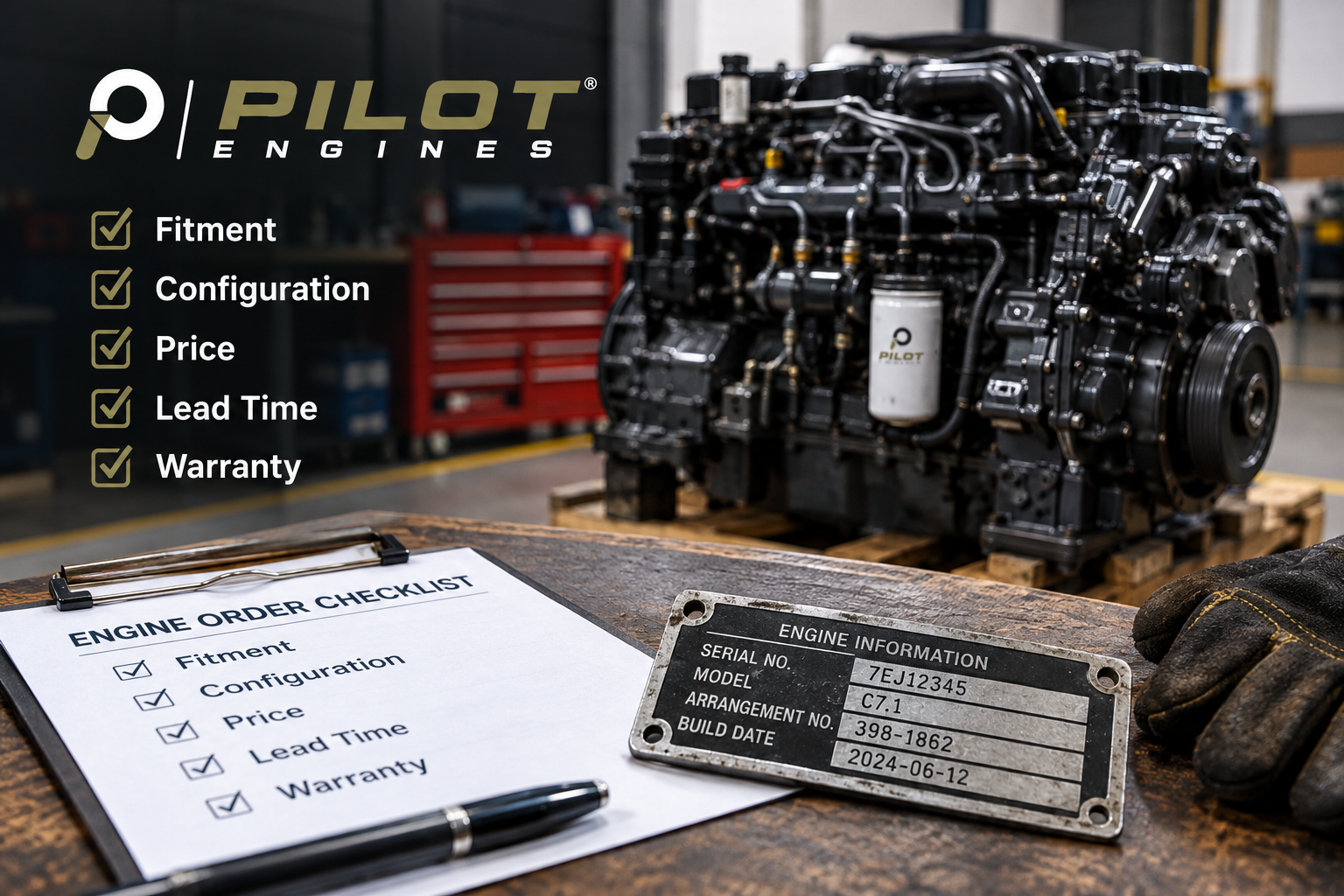
Before purchasing a remanufactured Cummins engine, identify the engine model currently installed in the vehicle or equipment. The engine serial number is particularly useful because it can help suppliers determine the original configuration and identify compatible replacement options. Buyers should also gather information about the equipment's make, model, year, and intended application.
Matching the replacement engine to the original specifications can help prevent installation complications and performance issues. For example, an engine designed for one commercial truck application may not be suitable for a different vehicle without additional modifications. Differences in emissions systems, wiring, cooling requirements, and transmission connections can affect compatibility.
It is also important to consider whether the replacement engine meets applicable emissions requirements. Regulations can vary depending on the equipment, location, and intended use. Confirming these details before purchasing can help avoid unexpected expenses or compliance problems after installation.
Comparing Engine Condition and Quality Standards
Not all remanufactured engines are produced using identical procedures. The quality of the final product depends on the condition of the original components, the rebuilding process, the replacement parts selected, and the testing completed before shipment. Buyers should look beyond the term remanufactured and investigate how a particular engine was prepared.
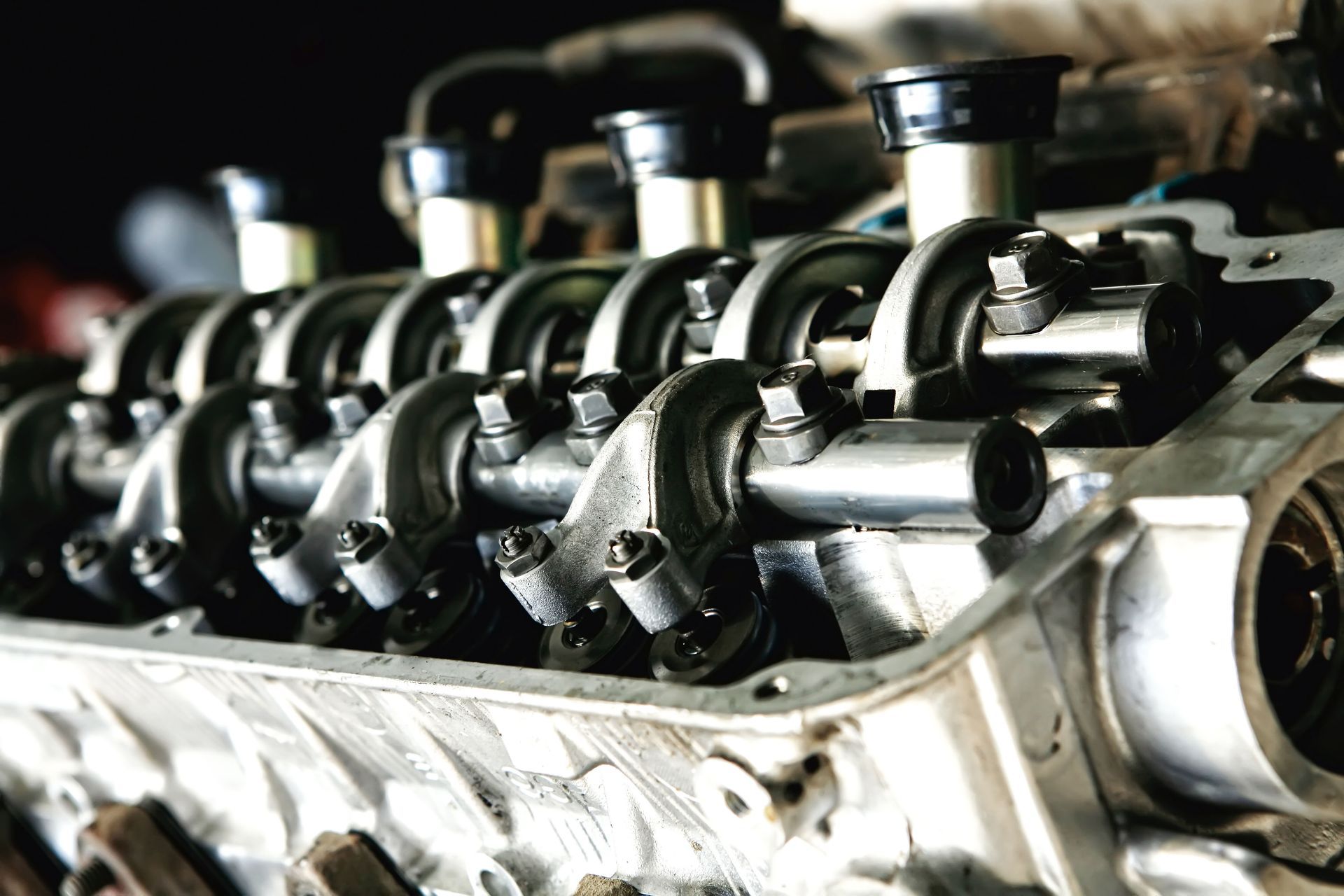
Ask whether critical components were measured against manufacturer specifications and whether worn parts were replaced when necessary. Important areas to consider include the cylinder head, crankshaft, pistons, bearings, connecting rods, and turbocharger. The condition of these components can influence engine performance, efficiency, and expected service life.
Buyers should also ask whether the engine was tested after assembly. Testing procedures may evaluate oil pressure, compression, fuel delivery, cooling system performance, and other operating characteristics. These checks help identify potential problems before an engine reaches the customer.
A remanufactured Cummins engine should come with documentation explaining its specifications and rebuilding history. While the amount of available documentation may vary, having access to information about the work performed can make it easier to evaluate the purchase. Suppliers who can clearly explain their quality-control procedures provide buyers with a better understanding of what they are receiving.
Evaluating Warranty Coverage
Warranty coverage is another factor that deserves attention before committing to an engine purchase. Even a carefully remanufactured engine can experience problems, so understanding the available protection can help buyers prepare for unexpected situations. However, warranty terms can differ considerably between suppliers and manufacturers.
Start by reviewing the length of the warranty and identifying which components are covered. Some warranties may cover major internal engine components, while others may include additional parts or labor under specific circumstances. It is also important to determine whether coverage applies to the complete engine or only certain assemblies.
Pay attention to exclusions and installation requirements. For example, a warranty may require installation by a qualified technician, proper maintenance documentation, or the use of approved fluids and filters. Failure to follow these requirements could affect coverage. Buyers should also ask whether labor, transportation, and diagnostic expenses are included if a covered issue occurs.
Before purchasing a remanufactured Cummins engine, request a written copy of the warranty and review the terms carefully. Understanding the claims process, coverage limitations, and required maintenance procedures can prevent confusion later. A clear warranty gives buyers a better idea of the protection provided with their investment.
Considering the Total Cost of Ownership
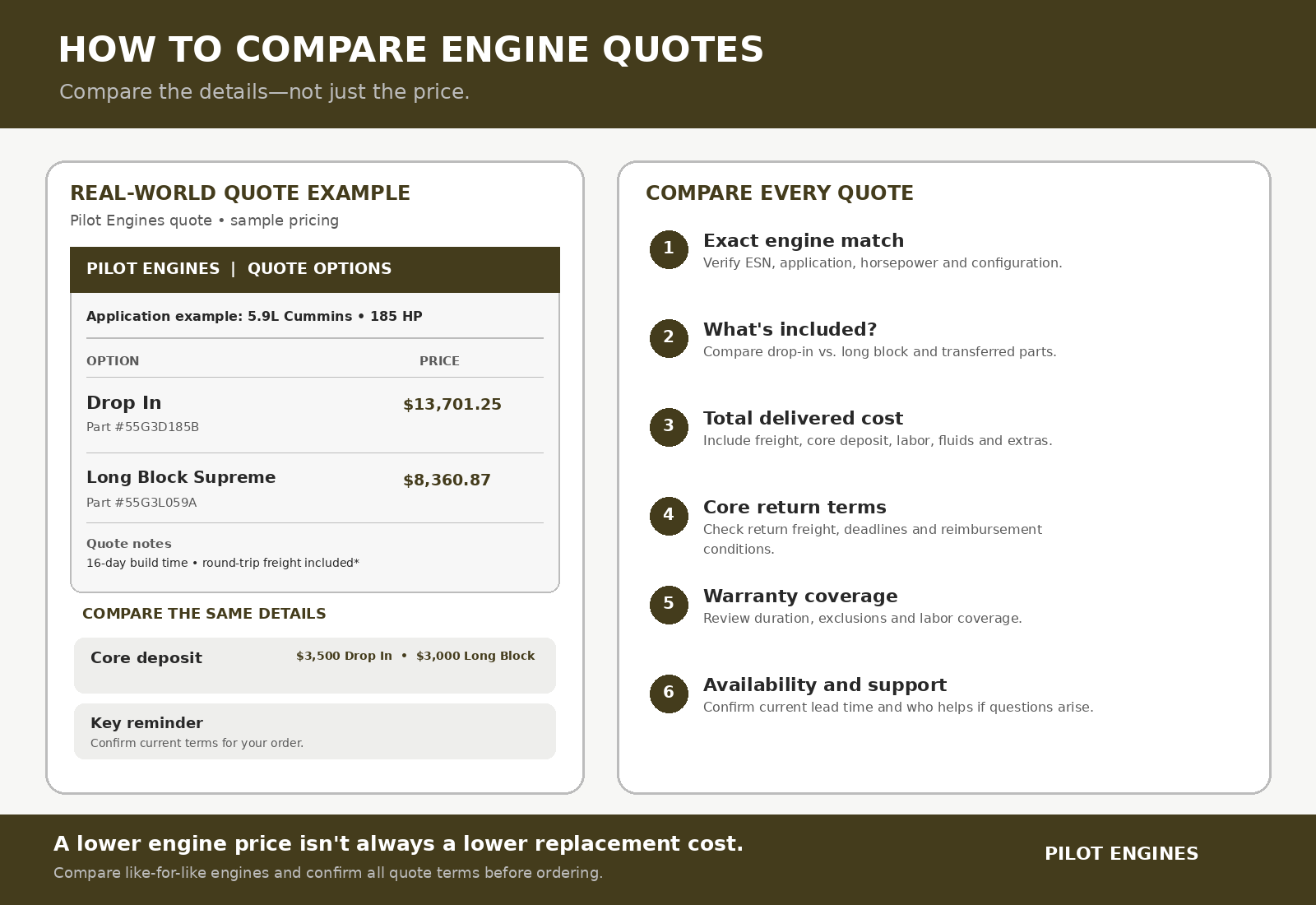
Price is naturally an important part of any engine purchase, but the initial cost should not be the only factor guiding the decision. A less expensive engine may appear attractive upfront, but additional expenses can affect the overall value of the purchase. Buyers should consider installation, transportation, replacement components, maintenance, and potential equipment downtime.
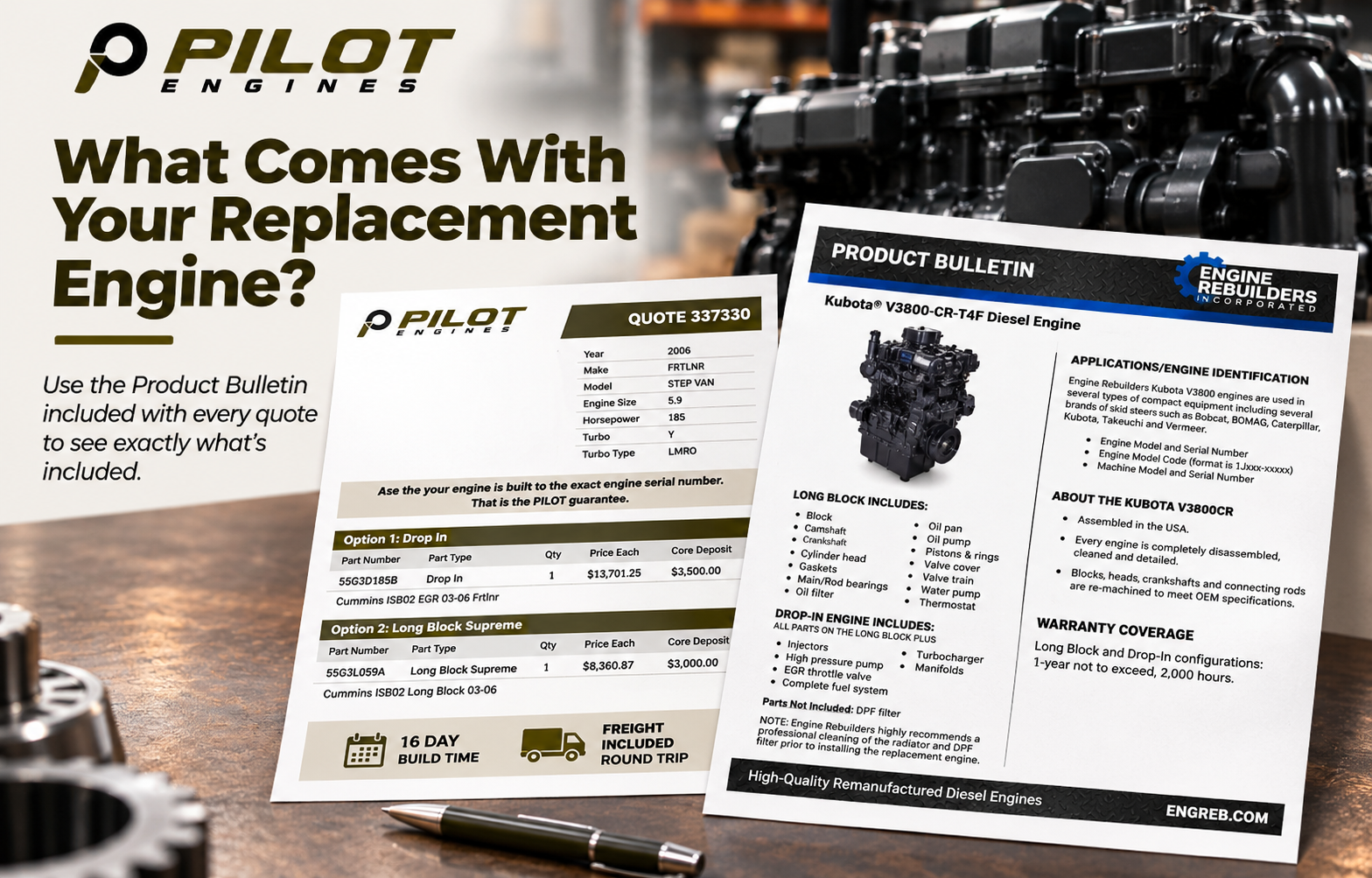
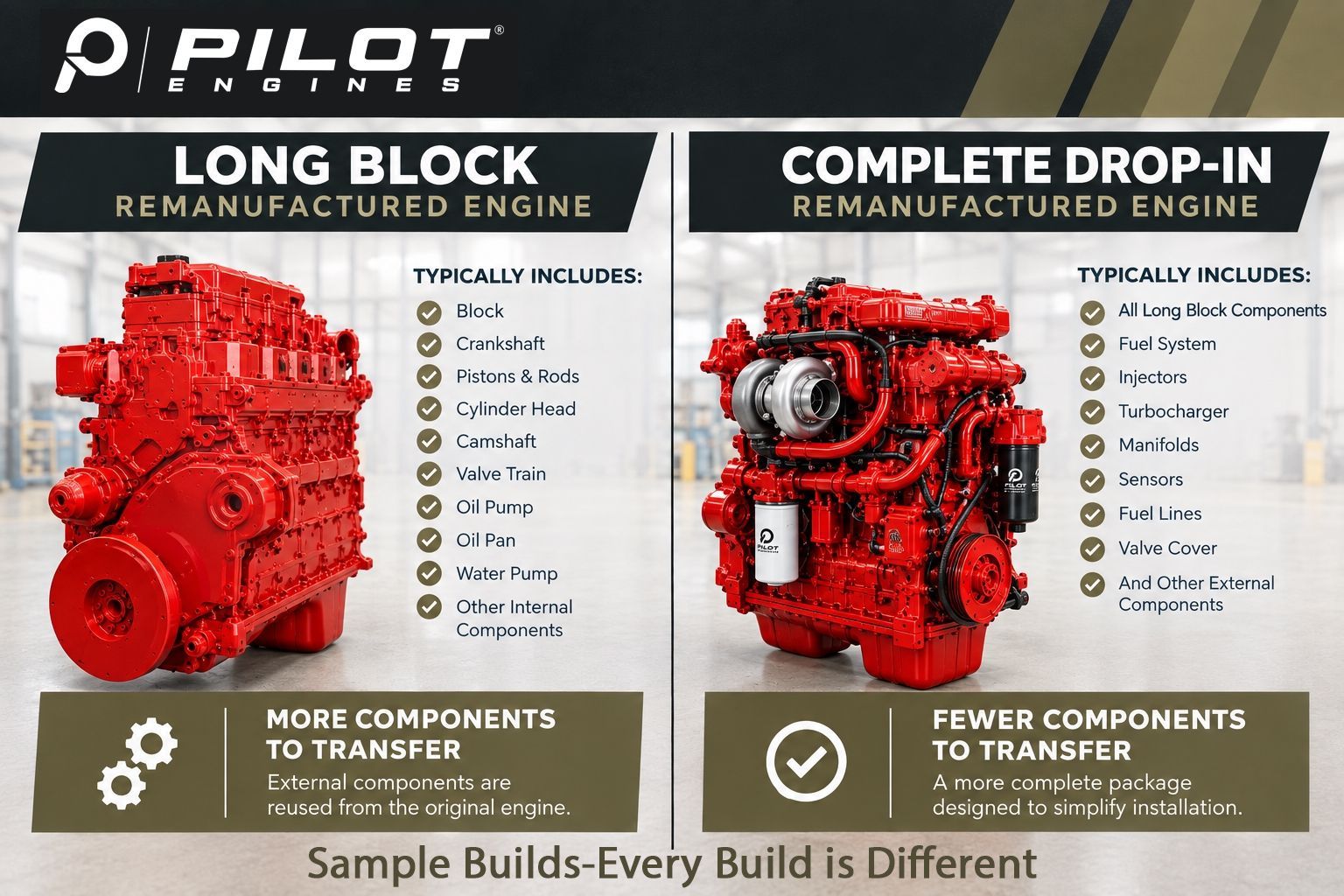
For example, some engines may be sold as long blocks, while others may include additional components such as turbochargers, fuel injectors, or accessories. These differences can significantly affect the final price. Comparing quotes requires understanding exactly what is included with each engine.
Installation costs should also be considered. Depending on the equipment and engine configuration, replacing an engine may involve additional work involving electrical connections, cooling systems, exhaust components, and other supporting equipment. Buyers should determine whether these expenses are included in the purchase agreement or handled separately.
Downtime is another consideration, particularly for businesses that depend on trucks or machinery to generate revenue. Delays in obtaining a replacement engine or completing installation can interrupt operations. Choosing a supplier with clear availability information and reliable shipping arrangements can help make the replacement process more predictable.
Evaluating the total cost of ownership provides a more complete picture than comparing purchase prices alone. A remanufactured Cummins engine that meets the equipment's requirements and includes appropriate warranty coverage may offer a practical long-term investment.
Purchasing a remanufactured engine is an important decision that can affect equipment performance and operating expenses for years to come. Understanding the remanufacturing process, confirming compatibility, evaluating quality standards, and reviewing warranty coverage are all essential steps. Buyers should also consider installation requirements, ongoing maintenance, and the experience of the supplier before making a final choice.
Pilot Engines can help buyers explore engine replacement options and find information about available Cummins engines. Taking a thorough approach before purchasing a remanufactured Cummins engine can help ensure the investment supports the equipment's performance requirements and long-term operating needs. Contact us today for more information.